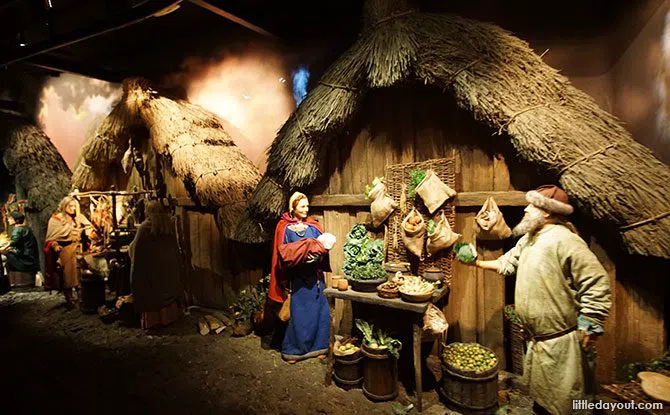

York was a Viking capital for the better part of a century, and the city has never quite let it go. Beneath Coppergate's shopping street a reconstructed Jorvik still hums under glass and speaker wire, but the wider trail runs from a museum case holding a ninth-century helmet to a working parish church still standing on Anglo-Scandinavian stonework, threading through street names that spell out exactly where the Norse markets, ropemakers and fish-sellers once worked. This is that trail, laid out stop by stop for a visitor with a day or two and a willingness to walk.
Start where the Vikings were proved real
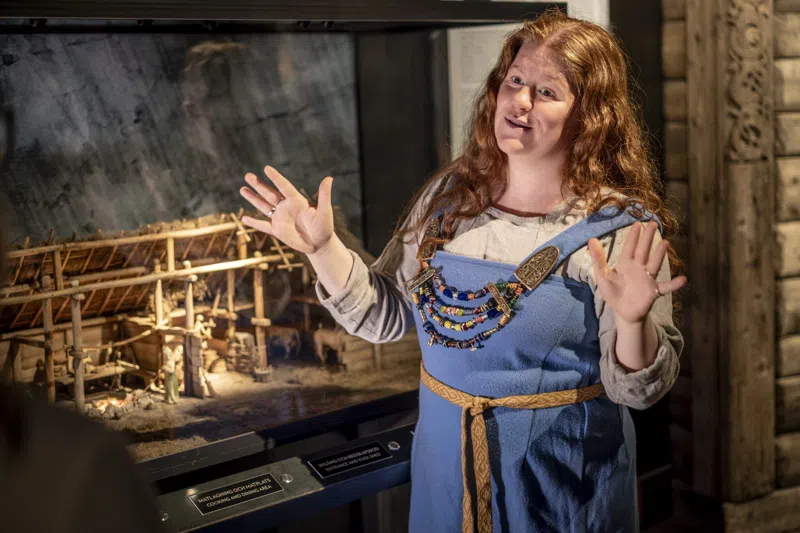
JORVIK Viking Centre (Coppergate) is the obvious place to begin. Everything else on this trail exists to answer a question JORVIK asks first: is any of this actually real? The attraction sits directly over the 1970s-80s Coppergate dig that first proved Viking York was more than a footnote, and its ride-through reconstruction of the tenth-century street it uncovered is still the reason most visitors arrive in York with Vikings on their mind at all. Inside, a slow-moving ride carries visitors past animatronic scenes of the reconstructed street, with recreated sounds and, notoriously, smells built into the experience. It plays better with older children and adults than with toddlers, who sometimes find the darker, smokier scenes unsettling. Adult admission runs roughly £17-19 and pre-booking is required, even for solo visitors in low season. Groups of 15 or more get a set rate and a dedicated arrival slot, and school and coach parties are routine here, worth knowing if a quiet, unhurried visit matters more than convenience. A weekday morning outside school holidays beats a Saturday in summer.
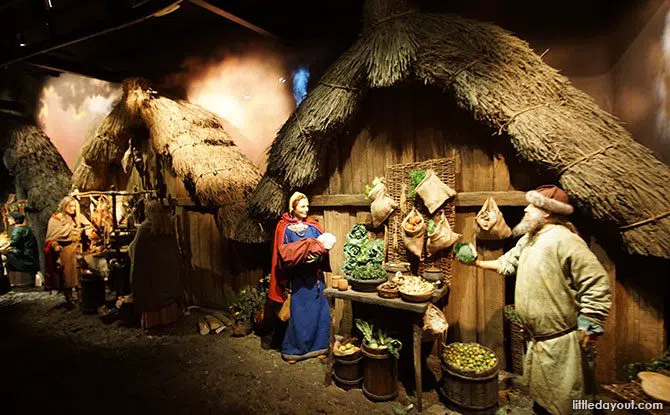
DIG: An Archaeological Adventure (St Saviourgate), run by the same trust as JORVIK, is the trail's hands-on counterpoint: rather than viewing a reconstructed Viking-age layer, visitors dig through one, under supervision, alongside finds trays and a bit of theatre. The dig pits are laid out in themed trenches (Roman, Viking, Victorian and prehistoric), so children move through different periods of York's past in a single session, with costumed staff on hand to explain what's turned up. It's built for families and school groups with children aged 5-12 specifically, so a couple or a solo traveller without kids in tow can skip it without losing anything else on the trail. Admission is £10.50 for an adult, £9.50 for a child, with a family ticket around £32, and group bookings are welcomed.
See how far Jorvik's wealth and faith reached
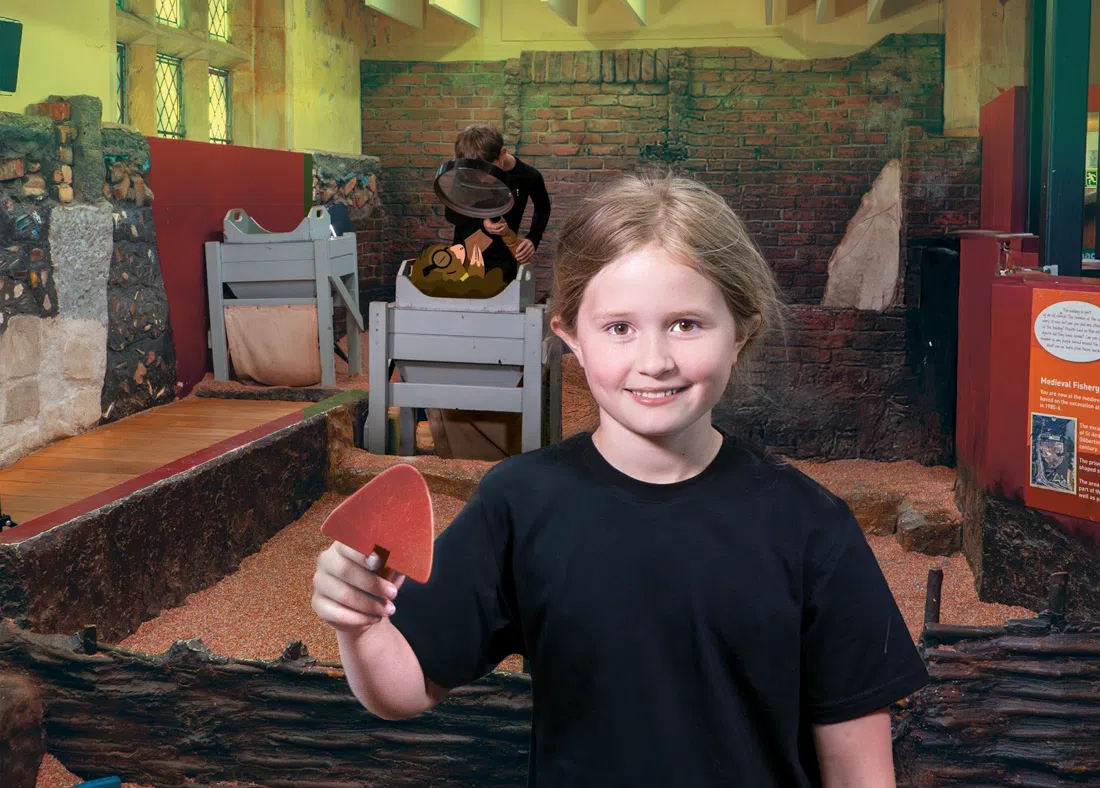
Yorkshire Museum (Museum Gardens) is where the trail stops being about one excavated street and starts being about a kingdom. It holds the Vale of York Hoard (silver, coins and jewellery buried around 927 and only found in 2007) and the York Helmet, also known as the Coppergate Helmet, a rare piece of eighth-century metalwork. The hoard includes a gilt silver cup thought to have been made in continental Europe before being buried for safekeeping, evidence of how far Jorvik's trade and diplomatic reach extended beyond the city itself. Adult admission is roughly £8-10, the museum welcomes groups, and pre-booking is advised for parties of ten or more. Give it forty-five minutes to an hour if the hoard and helmet cases are the priority rather than the museum's wider natural history and Roman collections.
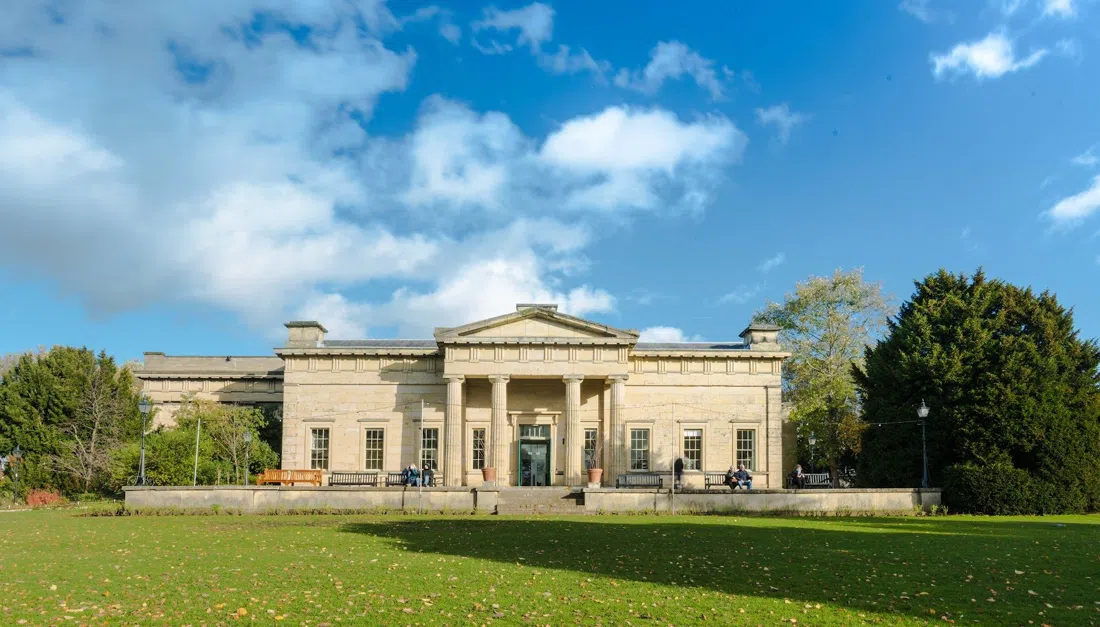
York Minster Undercroft Museum (Minster Yard) makes the trail's other big point: Jorvik didn't stay pagan. Excavations beneath the cathedral turned up the Horn of Ulf, an eleventh-century ceremonial drinking horn, and a mid-eleventh-century Viking-era burial, both evidence of the city's turn from Norse gods to Christian cathedral within a couple of generations. The burial sits alongside centuries of later cathedral building work uncovered in the same dig, so the visit works as a compressed timeline of the site rather than a single-period display. Entry is included in the York Minster sightseeing ticket, around £16-18 for an adult, pre-booking is required, and groups of ten or more get a discounted rate. It's a natural pairing with JORVIK on the same day, since the Undercroft is a short walk from Coppergate and closes the loop on where Jorvik's story went next.
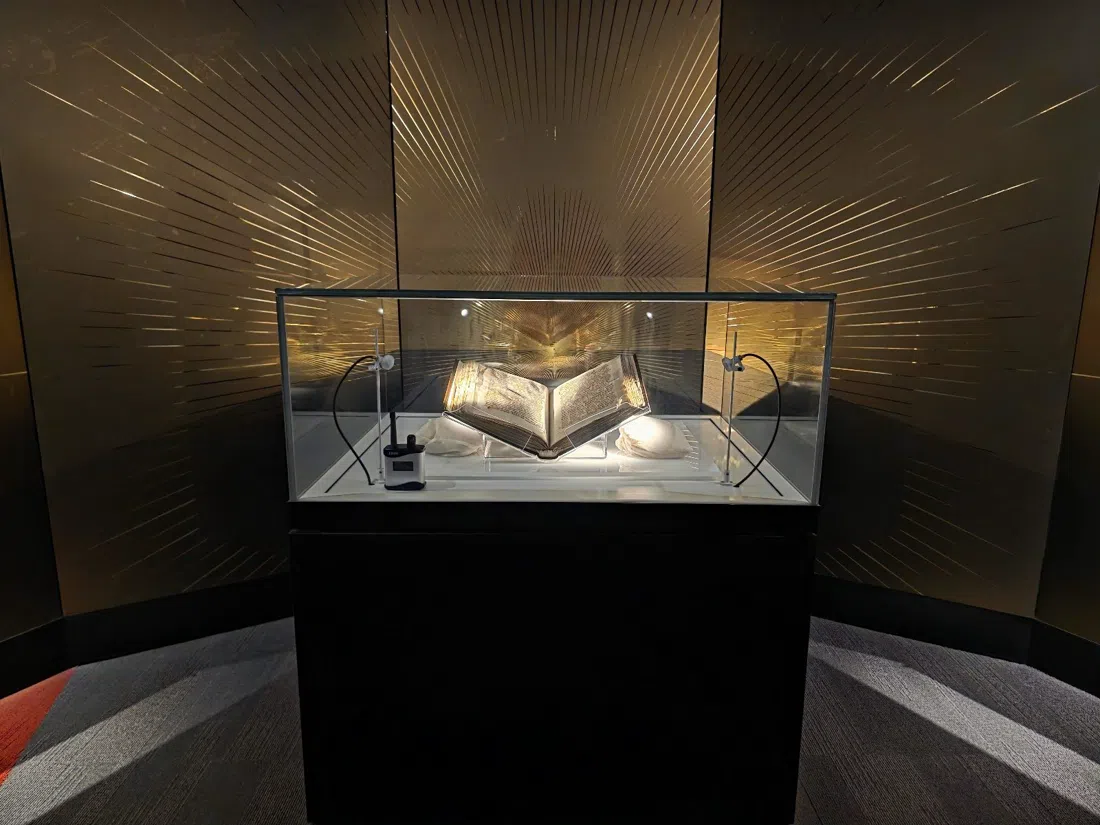
Stand where Viking-age masonry still works
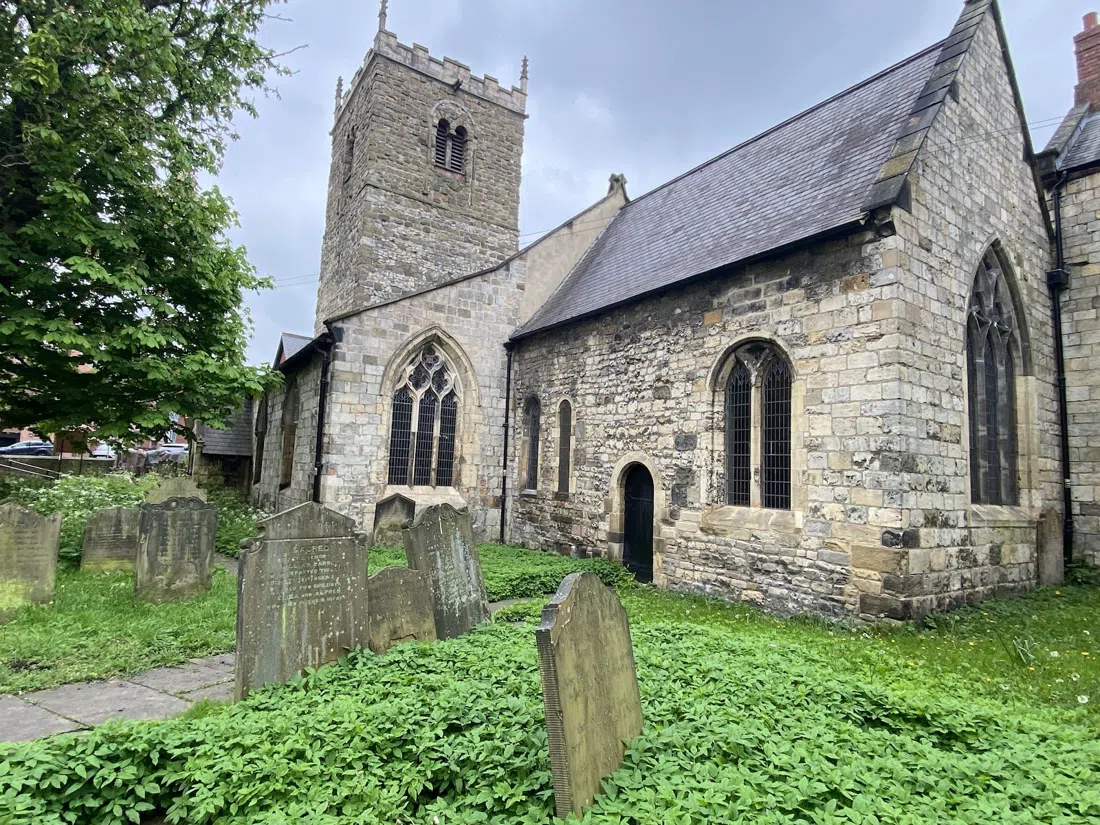
St Mary Bishophill Junior (Bishophill) is the trail's quietest stop and, for anyone who wants to actually stand next to Anglo-Scandinavian stonework rather than read about it behind glass, the most rewarding. Its tower is one of the few pieces of standing Viking-age masonry in York still doing its original job as part of a working church. There's no formal tour infrastructure here: no group bookings, no ticket desk, because it's a small parish church, not an attraction, best visited solo or as a pair during its published open afternoons. Admission is free, donations welcome, and it's worth checking the parish website for the current opening slot before making the walk over, since it isn't staffed daily.
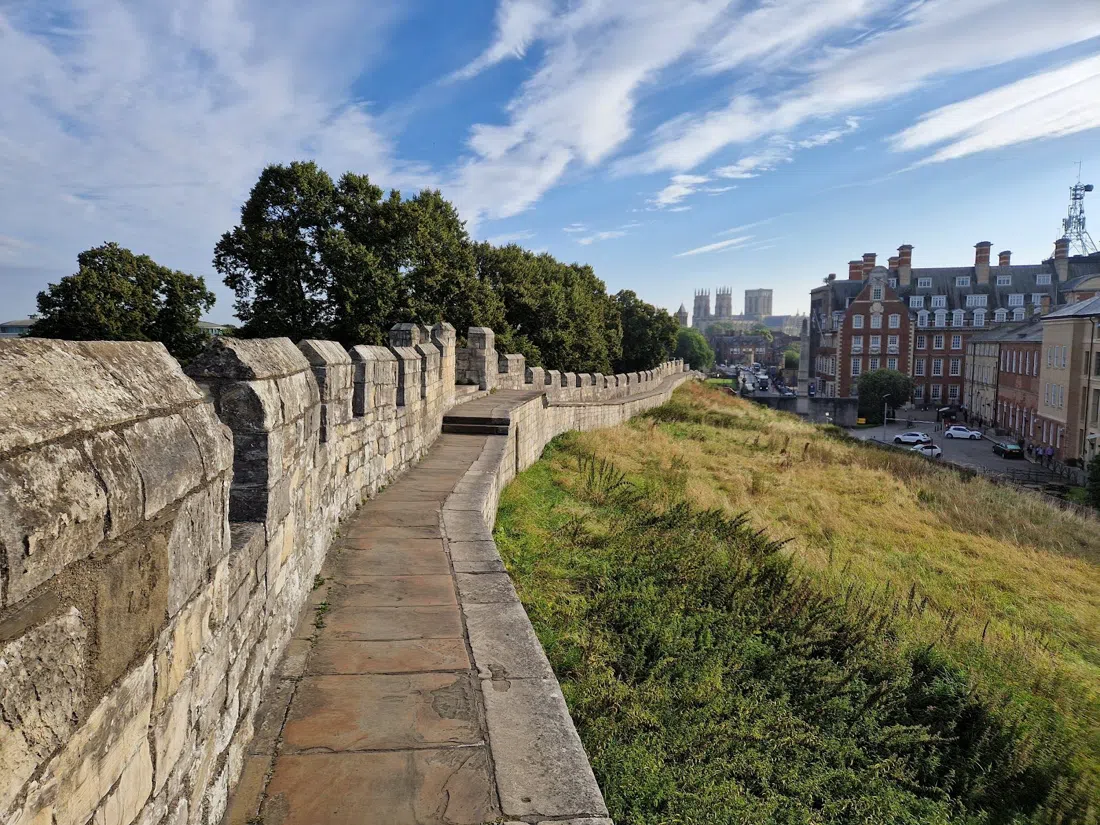
Walk the walls and spot the Norse street names
York City Walls (the Bars) is the connective tissue for the whole trail rather than a single stop. Walking the stretch from Micklegate Bar to Bootham Bar physically threads Roman, Viking and medieval York together and passes close to most of the other sites on this list. It's free, open to any size of group, and needs no booking, though the narrow wall-top sections and stone steps mean larger parties should spread out rather than bunch up. Single file is often the only option on the older stretches.
Norse Street Names Trail (Coppergate) costs nothing and needs no plan beyond paying attention. Coppergate itself is Old Norse for "the street of the cup-makers," and a two-minute detour off it turns up Skeldergate, Fossgate, Micklegate and Walmgate, all carrying the Norse "-gate" (meaning street, rather than any reference to a gateway), plus the site of the old Pavement marketplace. It's self-guided, works for any group size, and rewards having a street map or a phone map open rather than a formal itinerary.
Join a guided walk or get on the river
The Original Viking Walk is the version of this trail with narration built in: a costumed, saga-led walking tour that stitches JORVIK, the street names and the wider Viking-era city together with stories that don't make it onto plaques. It runs on request only, for private and corporate groups, any day or time by arrangement, so it needs booking ahead rather than turning up. Pricing is roughly £10-15 per person, with private and corporate rates available on request, a good option for a family group or a small corporate outing wanting a single guided thread through everything above.
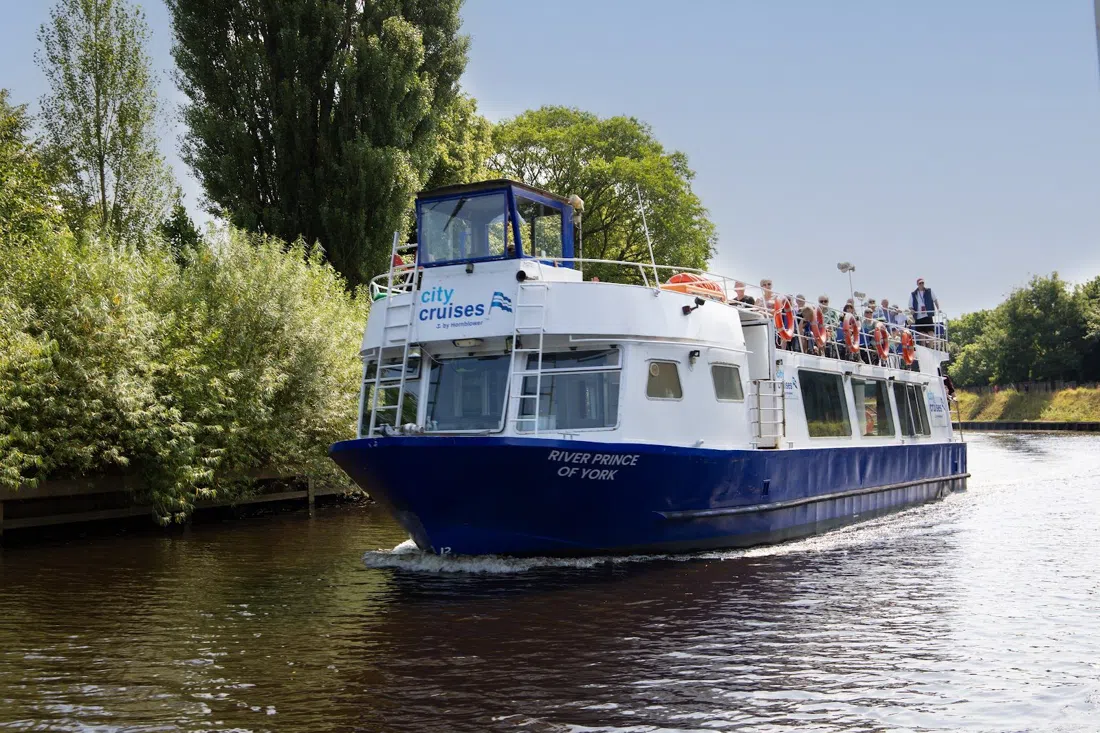
City Cruises York (Lendal Bridge) puts the trail on the water, which is worth doing given how much of Jorvik's wealth came from river trade on the Ouse in the first place. The standard cruise runs 45 minutes with commentary covering that trade history, starting from roughly £9-15 per person. Groups are welcome, and the onboard bar makes it a reasonable fit for larger parties who'd rather sit than walk for an hour. Between the two, a family or corporate group can cover most of the trail's narrative in a single afternoon without reading a plaque themselves.
Time a visit around the February festival
If a trip happens to fall in mid-February, check for the JORVIK Viking Festival dates before booking anything else. 2027's dates are still to be confirmed at time of writing, so this is a bonus to plan around rather than a reason to build a trip. It's a street event with combat displays, processions and market stalls, free to watch with some ticketed elements for specific shows or workshops. It's family and group friendly, and it's the one time of year the rest of this trail's quieter sites get genuinely busy foot traffic from people dressed for the part.
Finish the trail with Norse food and drink
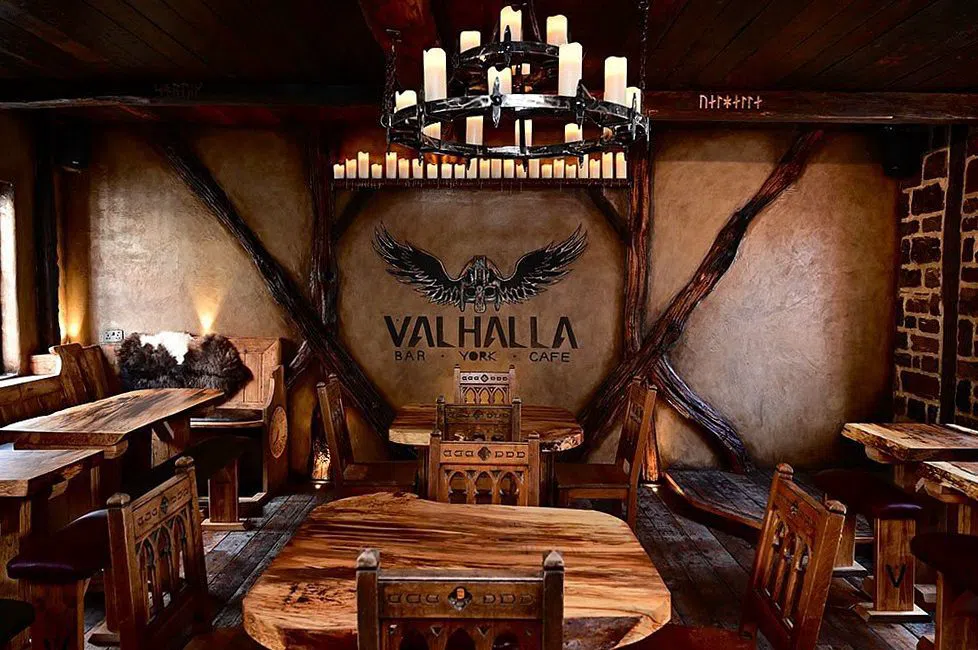
Valhalla York, a Viking-themed pub in the city centre, is where this trail is meant to end rather than begin. After a day of museum cases and church stonework, it's a theatrical but genuine way to close things out with food and drink that leans into the theme without pretending to be scholarship. Mains run roughly £10-16, with sharing platters, ales and mead on the menu. Groups are fine in the main bar, and larger private groups can book the AllFather Hall function room separately, worth doing in advance for a party of more than eight or ten, since the main bar fills up on weekend evenings.
Planning the trip
York's compact enough to walk this entire trail on foot; nothing on this list is more than about twenty-five minutes from Coppergate, and the city walls walk connects several stops directly. The railway station is a fifteen-minute walk from Coppergate, so a car isn't necessary and central parking is limited and not cheap. Comfortable, waterproof footwear matters more than anything else packed: the wall-top sections and Bishophill's quieter streets are uneven, and York's weather turns without much notice. Most sites take cards, but keep a little cash for the tip jar on guided walks and for St Mary Bishophill Junior's donation box. Two full days covers the trail comfortably (one for JORVIK, DIG and the Undercroft, one for the museum, the walls, the street names and the river), though a single determined day is possible if DIG is skipped, since it's the one stop aimed squarely at younger children. Budget roughly £45-60 per adult across JORVIK, the Yorkshire Museum and the Minster ticket, before food, drink or the optional guided walk and cruise; family tickets and group rates bring that down meaningfully for parties of four or more. For where to stay while working through it, start with a York hotel search, and for the rest of what the city offers beyond this trail, the York guide covers it.