The York issue
The Sweet City: How York Became Britain's Chocolate Capital
For a century the air here smelled of cocoa — here is how three Quaker and Swiss-founded firms built York's chocolate age, and exactly what a visitor can still see, taste and walk today.
By Robin AspinallThe walls, the snickelways and the bits between them
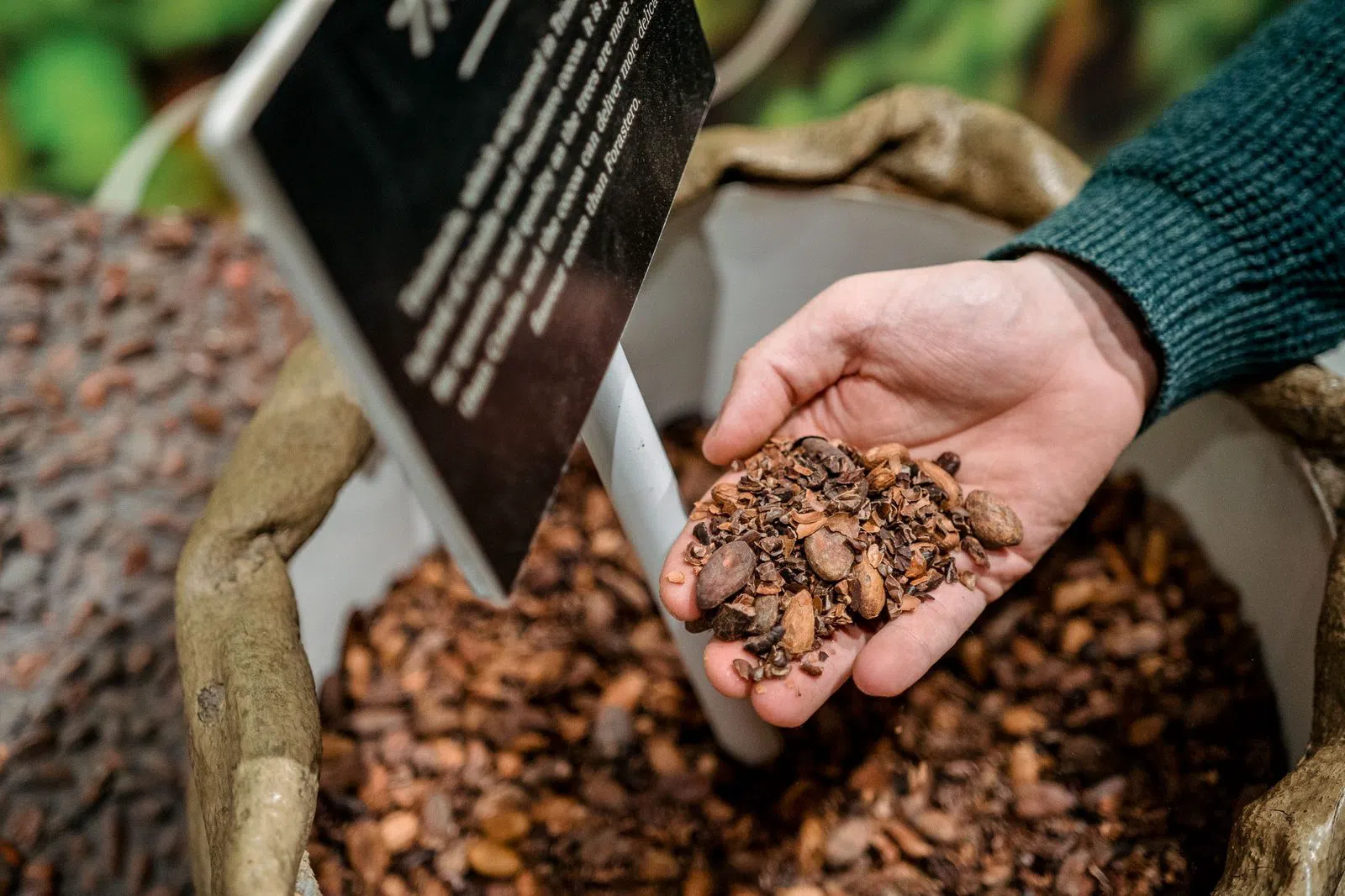
For roughly a hundred years, the prevailing smell in York was not the river or the wet medieval stone but cocoa, drifting from factories that employed thousands of the city's own residents. Three family firms — Rowntree's, Terry's and Craven's — turned a walled cathedral city into the centre of British chocolate-making, and the money they made rebuilt whole districts of it, from workers' housing to a public park. What survives is part museum, part working factory, part residential conversion, and most of it can be joined up on foot in a single day.
This guide walks the story in a sensible order: two museums to learn it, the surviving factory landmarks to see it, the Quaker philanthropy that outlived the firms, and the two places where you can still buy and taste chocolate made in the city. Prices are given in pounds; where a place suits couples rather than coach groups, that is flagged plainly.
Start with the story: two museums
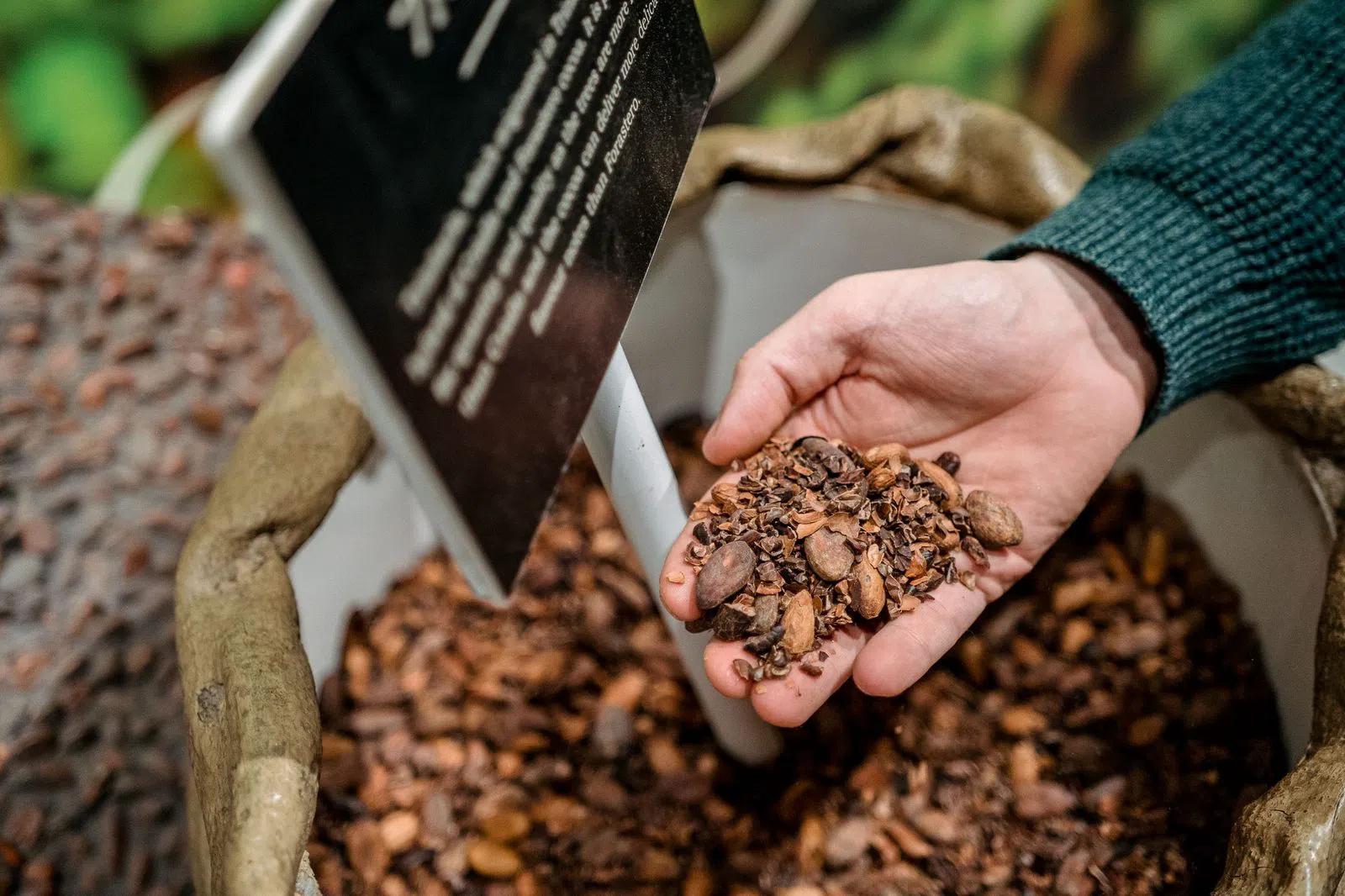
If you have never heard the Tuke, Rowntree, Terry and Craven names before, begin at York's Chocolate Story (King's Square, in the centre). This is a guided chocolate museum rather than a working factory: timed tours depart every ten to twenty minutes and run about an hour, so you rarely wait long, and it is genuinely built for groups, with dedicated group bookings alongside walk-up slots. The tour tells the whole dynastic story with tasting samples and a make-your-own bar at the end, which makes it the single most useful orientation stop — particularly for an international visitor who wants the shape of the history before seeing the buildings. Adult tickets run roughly £14–16, with reduced pricing from 25 June to 1 September 2026 under the summer VAT cut. Beyond the standard tour there are hands-on truffle-rolling sessions and adults-only gin and rum tasting sessions, both of which need booking ahead.
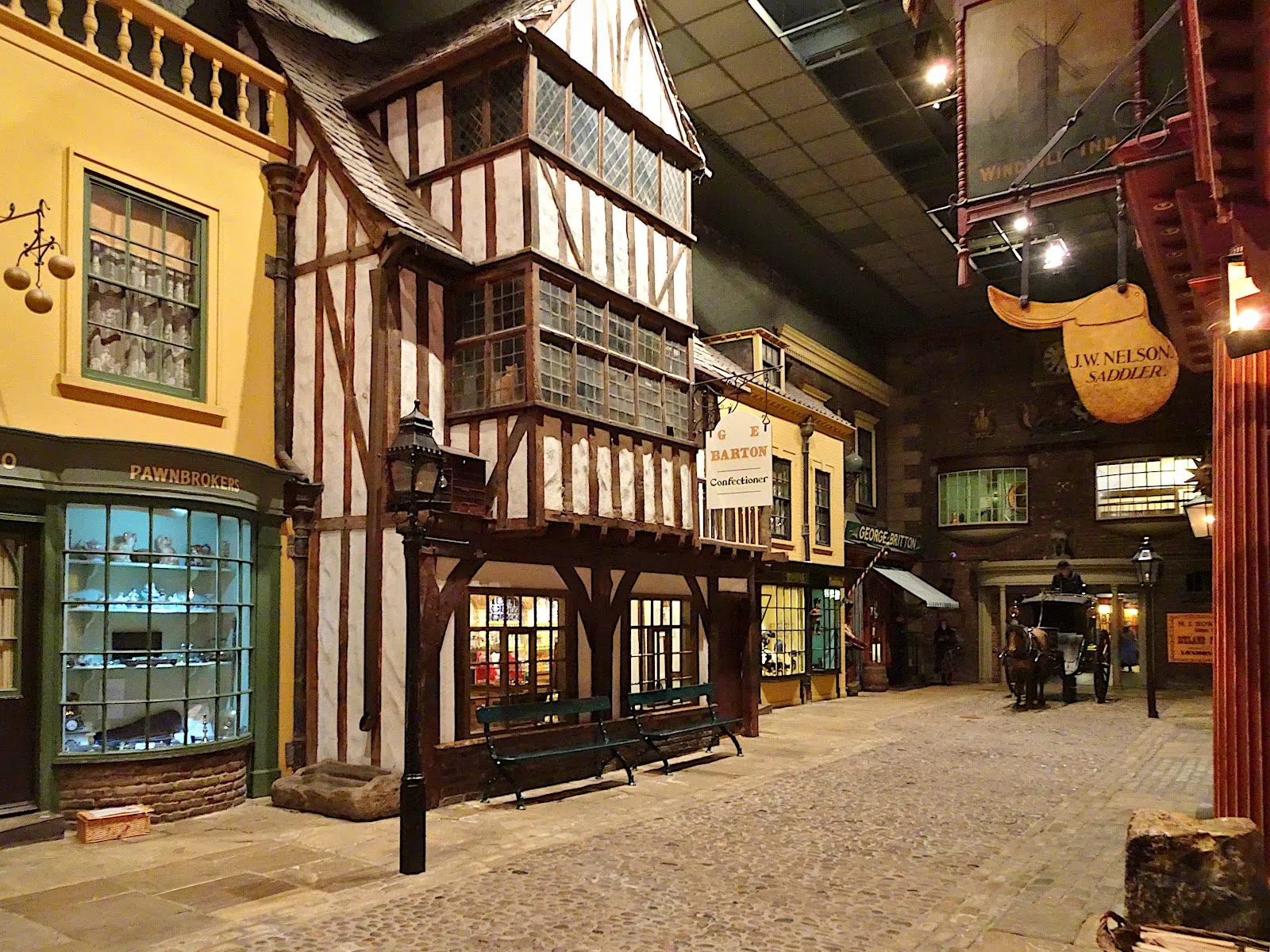
For the human side of the same story, walk to York Castle Museum and its dedicated display, Chocolate: York's Sweet Past & Kirkgate (by the Eye of York, a few minutes south of the centre). Where the Chocolate Story explains the firms, this explains the people who worked for them: the Quaker approach to labour, the vintage confectionery and packaging, and Mary Ann Craven, who ran her firm as a woman in a trade dominated by men. The display sits inside the museum's full walk-through Victorian street, Kirkgate, which absorbs crowds well and makes this a comfortable stop for a full group; there are group rates, and admission on the standard adult ticket also covers a multi-visit annual pass, which is worth knowing if you plan to return. Budget for the ££ bracket.
Plan your York trip
Live prices from our booking partners.
Free cancellation on many rooms. We may earn a commission when you book.
The factory landmarks: seen, not entered
The two names that carried York's chocolate around the world were Terry's and Rowntree's, and both left landmarks you can visit — but only from the outside.
The Chocolate Works (off Bishopthorpe Road, to the south of the walls) is the former Terry's factory, where the Chocolate Orange was made. Production ended in 2005, and the five listed buildings have since been converted into private residences, so there are no interior tours and no visitor entrance. What draws people is the clock tower, still keeping time over the neighbouring racecourse and one of the more recognisable shapes on the York skyline. The honest way to see it is as a photo-stop on a walk or a racecourse loop out from Bishopthorpe Road, not as a place you go inside. It costs nothing to view.
Rowntree's Cocoa Works & Nestlé (Haxby Road, to the north) is the larger and, for many, the more surprising landmark, because it is not a relic at all. This was the birthplace of the Kit Kat, Smarties and Aero, and once the city's single biggest employer — and the Kit Kat is still made on this site in 2026, which means the cocoa smell has not entirely left York. There are no public factory tours; this is a walk-by or drive-by, with a blue plaque to read at the gate. Treat it as a landmark to stand in front of rather than a venue to enter. Free, exterior only.
The Quaker legacy: a village, a park and a theatre
What separates York's chocolate history from most industrial stories is where the profits went. The Rowntrees were Quakers, and a good part of their money was spent on the workforce and the wider city. Three sites make that visible, and all three are still in use today.
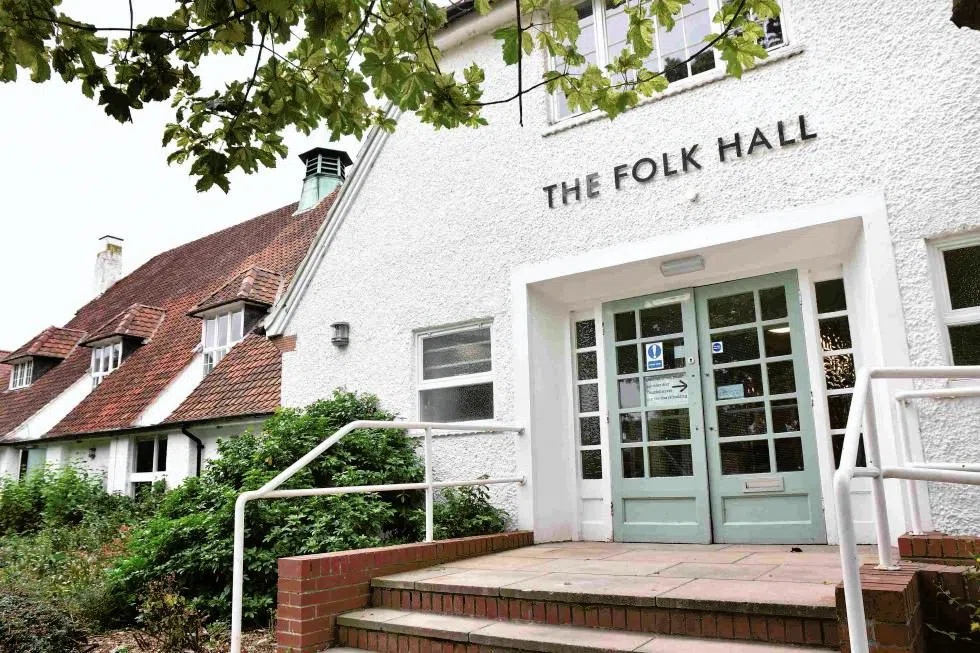
New Earswick model village & Folk Hall (a short way north of the city) is the clearest example. Joseph Rowntree built it as an experiment in decent, affordable worker housing — light, gardens, space — and over a century later it remains a lived-in, thriving village rather than a preserved exhibit. You can walk the streets freely with no ticket, and the Folk Hall at its centre is a genuine community venue with a café, so self-guided groups are welcome to look around and stop for a coffee. It is free to walk, pay-as-you-go at the café. Go with the understanding that people live here now; this is a working village, not an open-air museum.
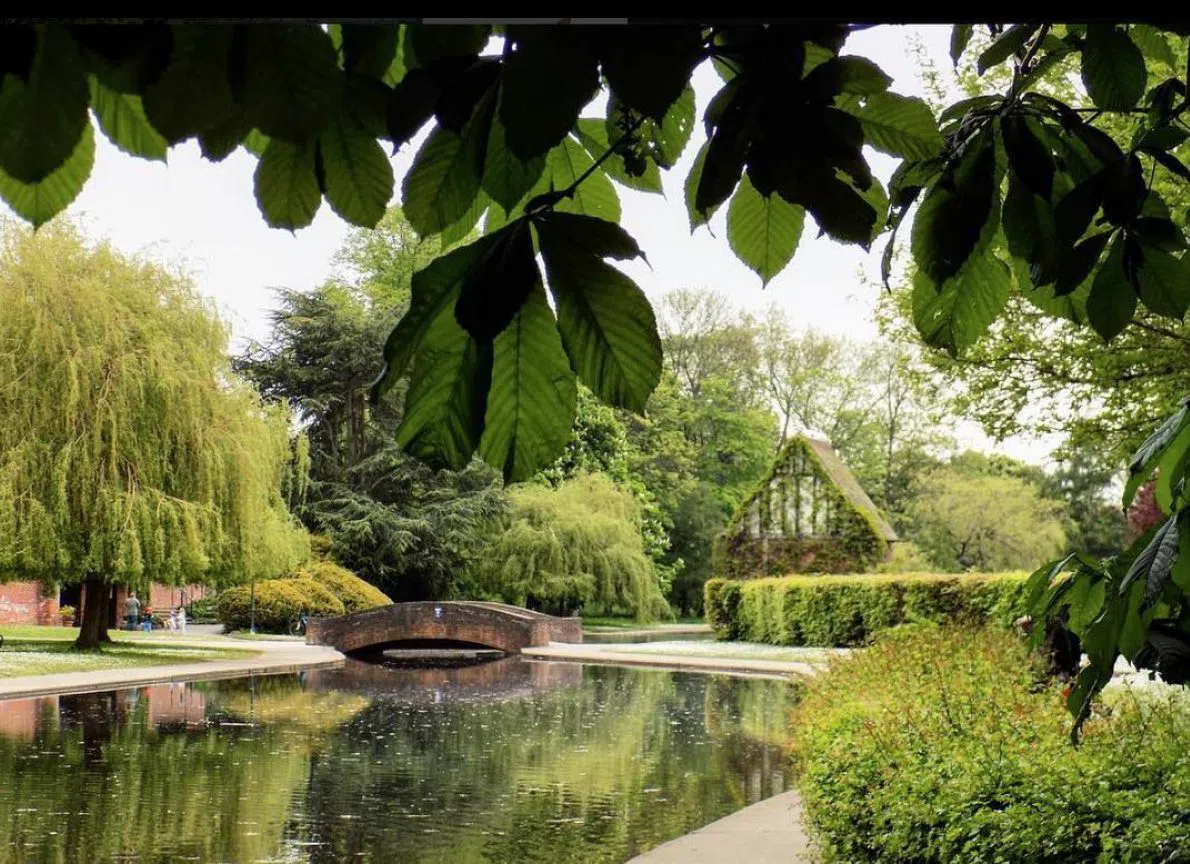
Rowntree Park (by the river, south of the centre off Bishopthorpe Road) is the firm's civic gift made plain. It was York's first municipal park, given by the Rowntree company as a war memorial to its workers, and it is fully open with no restrictions — good for groups, picnics and riverside walks, with a café on site. If you want one place that shows what Quaker chocolate money did for the ordinary life of the city, this is it. Free.
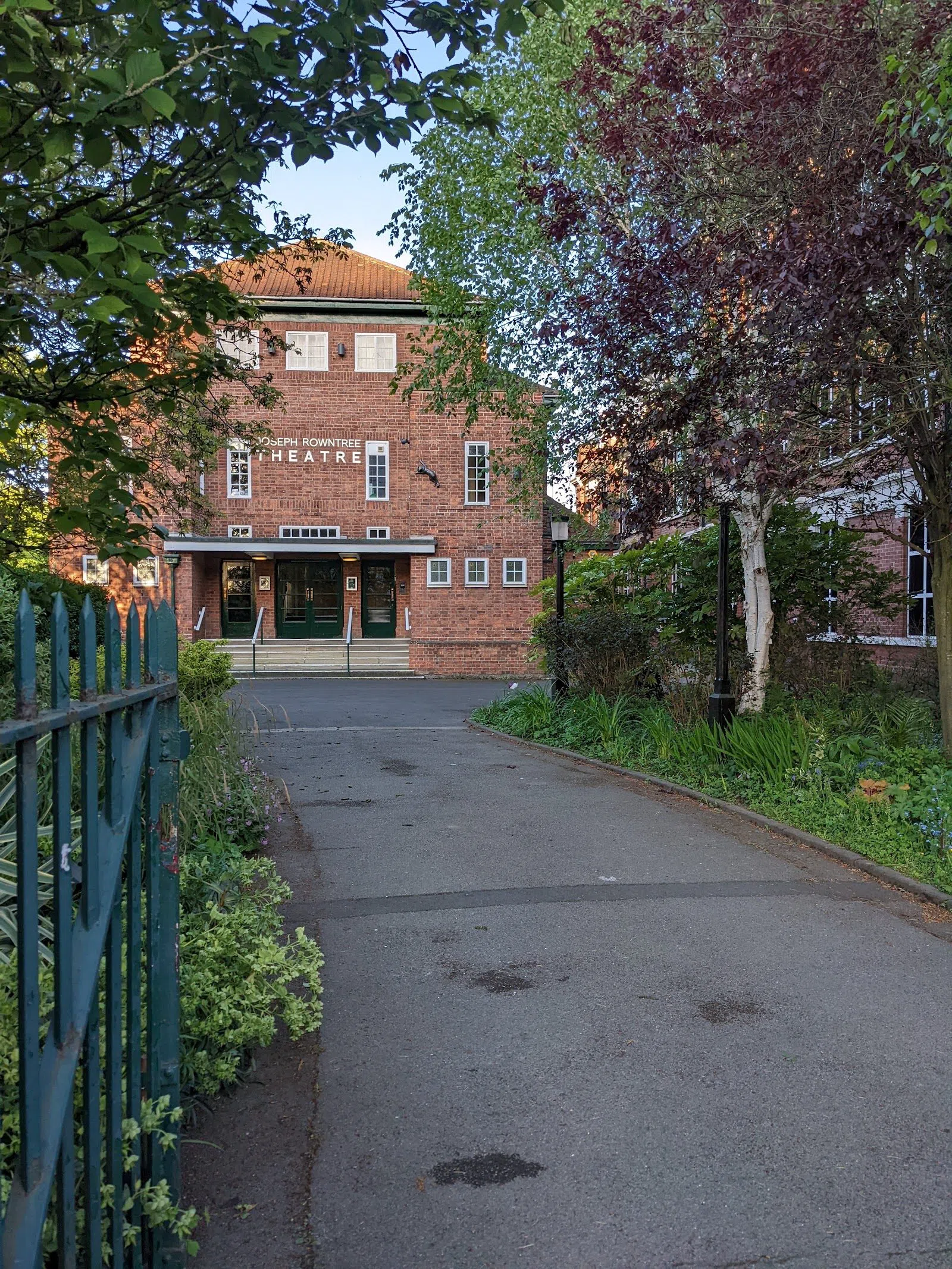
Joseph Rowntree Theatre (Haxby Road, north, near the Rowntree works) is the only Rowntree building still doing exactly what it was built for: recreation for the workforce. It is an art deco theatre, run largely by volunteers, and it programmes local and touring shows through the year. If a performance happens to fall during your visit, it is a chance to sit inside a working piece of chocolate-era philanthropy rather than just look at it. Tickets are priced per show, in the ££ range, and groups can book together.
Chocolate you can still buy and taste
Two places let you close the loop and actually eat chocolate made in York, and they suit very different visits.
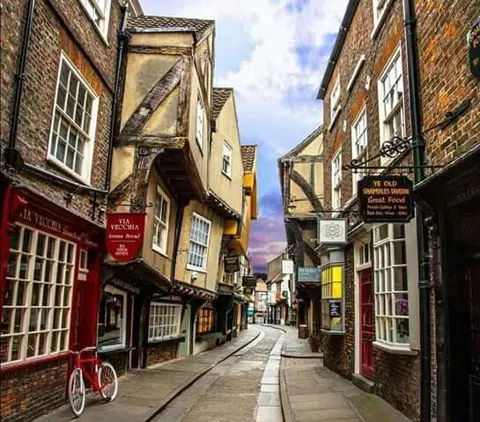
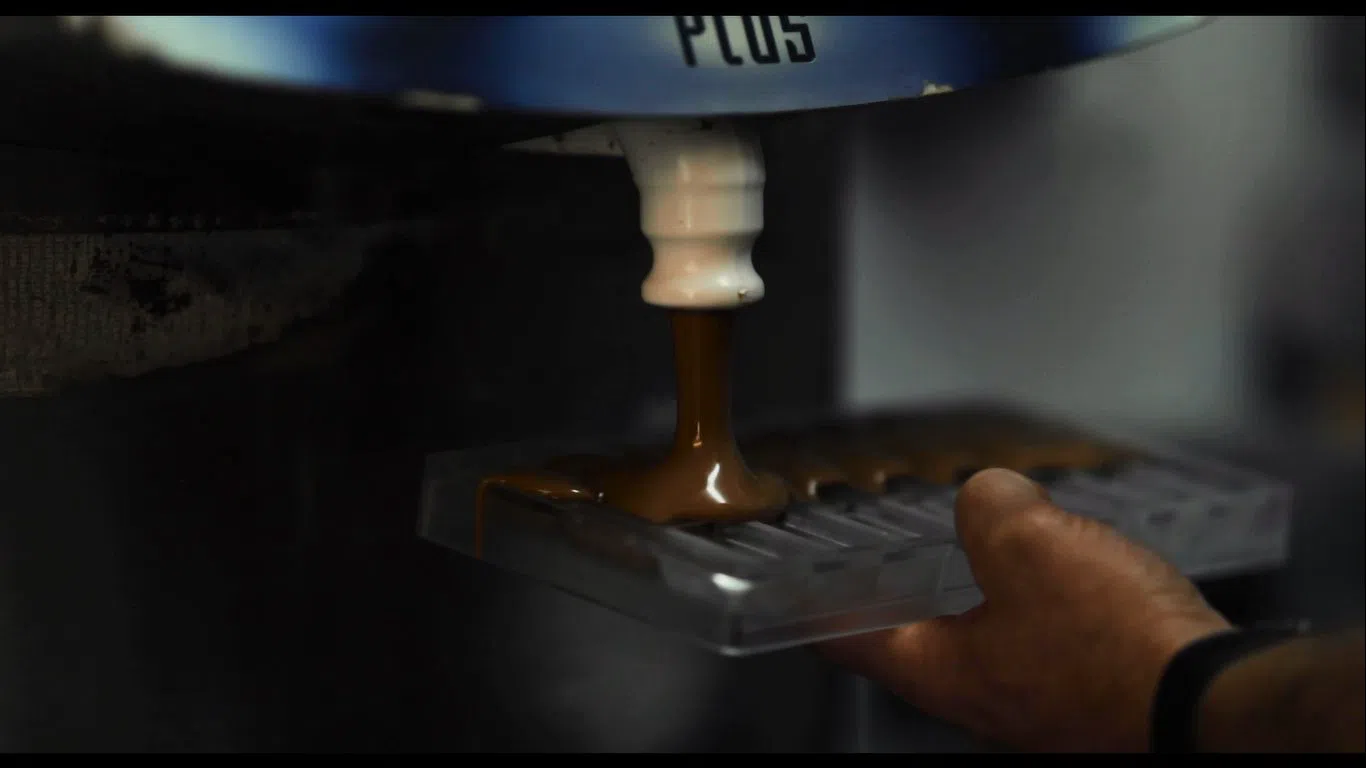
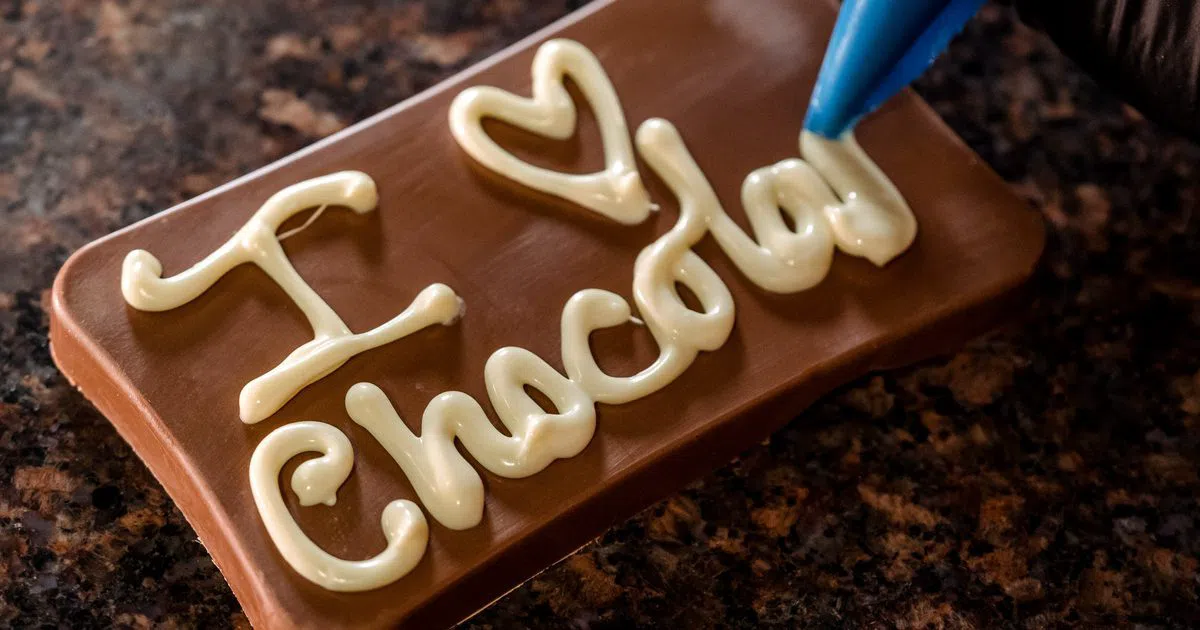
Monk Bar Chocolatiers (on the Shambles, in the centre) is the city's longest-established artisan chocolatier, family-run and making small batches on the premises since 1999. You can watch chocolates being hand-made through the shop, which is a photogenic and authentic counterpoint to the industrial giants down the road. Be realistic about the space, though: this is a small shop that works for browsing in twos and threes, not for large coach groups arriving together. Buy by the piece or by the box; the range sits in the £–££ bracket.
Bettys Café Tea Rooms (St Helen's Square, in the centre) is the graceful, pricier option, and a useful reminder that not every York sweet-maker was Quaker: Bettys was Swiss-founded in 1919, is still family-owned, and still makes its own chocolates in Yorkshire. The trade-off is popularity. Walk-in queues are common, especially at weekends and over afternoon tea; small groups are fine, but larger parties should note that reservations are limited — some daytime bookings launched in 2026, but not across every service here. Come outside peak hours if you can, and budget for the £££ bracket, which puts this closer to a planned treat than a casual stop.
Joining it all up
These sites are scattered — some central, some a walk or short ride north or south — so the practical way to see them as one story rather than ten disconnected stops is the York Chocolate Trail, Visit York's free self-guided route. It ties the museums, the chocolatiers and the factory landmarks into a single walkable day that any group can follow at its own pace; each individual stop sets its own capacity and admission, so you spend as you go. For a first-time international visitor especially, it is the connective tissue that turns a list of names into a route. For wider planning and other things to do around these stops, the York guide is the place to start.
Practical notes
Getting around. The central cluster — the Chocolate Story, Castle Museum, Monk Bar Chocolatiers and Bettys — is comfortably walkable within the walls, with no site more than fifteen minutes from the next on foot. The outliers split by direction: Rowntree Park and the Terry's clock tower lie to the south along Bishopthorpe Road, while the Rowntree works, the Joseph Rowntree Theatre and New Earswick sit to the north on and around Haxby Road. For the northern group, local buses run out along Haxby Road, or it is a flat cycle; New Earswick is the furthest out and best paired with the theatre and factory in one northern loop.
Timing. The two museums are the time-eaters: allow about an hour for the Chocolate Story tour and at least ninety minutes for the Castle Museum. If you want to see the northern Rowntree sites and New Earswick as well, treat it as a full day and start early. Book the Chocolate Story tour ahead in summer and at weekends, and book any truffle-rolling or tasting session in advance, as those do not run every slot. Bettys is busiest at lunchtime and mid-afternoon; go earlier or later to shorten the queue.
Cash and cards. Card payment is standard across the museums, cafés and shops, so there is no need to carry much cash. The free sites — the factory exteriors, Rowntree Park, New Earswick — cost nothing to see; your spending there is limited to a café stop if you want one.
Budget. A full chocolate day built around both museums, plus a box from Monk Bar and afternoon tea at Bettys, realistically runs to £50–70 per adult, with the tea room the largest single line. Stripped back to one museum, the free landmarks and the self-guided trail, the same story can be done for well under £20.
Where to stay. Basing yourself inside or just outside the walls keeps the central museums and shops within walking distance and leaves only the northern sites needing a short hop; compare options with a York hotel search before you fix your dates, as the city fills quickly around race meetings and in high summer.
Before you go
Can you tour the old Terry's and Rowntree's chocolate factories in York?
No. The former Terry's factory, The Chocolate Works, is now private residences with no interior tours — you view the clock tower from outside, free, on a walk from Bishopthorpe Road. The Rowntree's Cocoa Works on Haxby Road is a working Nestlé site (Kit Kat is still made there in 2026) and offers no public tours either; it is an exterior landmark with a blue plaque. For a tour experience, visit York's Chocolate Story instead.
What is the best place to start learning York's chocolate story?
York's Chocolate Story on King's Square. Its guided tours depart every 10–20 minutes, run about an hour, cover the Tuke, Rowntree, Terry and Craven firms with tasting samples, and end with a make-your-own bar. Adult tickets are roughly £14–16, with reduced pricing from 25 June to 1 September 2026. It is the clearest single orientation stop before you see the buildings.
Where can you still buy chocolate made in York?
Two places suit different visits. Monk Bar Chocolatiers on the Shambles is the city's longest-established artisan chocolatier (since 1999), small-batch and made on the premises — best for browsing in twos and threes, not large groups. Bettys Café Tea Rooms on St Helen's Square, Swiss-founded in 1919 and still family-owned, makes its own chocolates in Yorkshire; expect walk-in queues and £££ pricing.
Is York's chocolate history worth it for someone travelling with children or in a group?
Yes, with some planning. York's Chocolate Story and York Castle Museum both take groups well and have group rates, and the Castle Museum's walk-through Victorian street absorbs crowds comfortably. Rowntree Park and New Earswick are open and free with no capacity limits. The smaller spots — Monk Bar Chocolatiers and Bettys — suit couples and small parties rather than coach groups.
How much time and money should you budget for a York chocolate day in 2026?
Allow a full day if you want both museums plus the northern Rowntree sites. A full day including both museums, a box from Monk Bar and afternoon tea at Bettys realistically runs £50–70 per adult, with the tea room the biggest single cost. Kept to one museum, the free factory landmarks, Rowntree Park and the self-guided York Chocolate Trail, it can be done for well under £20.