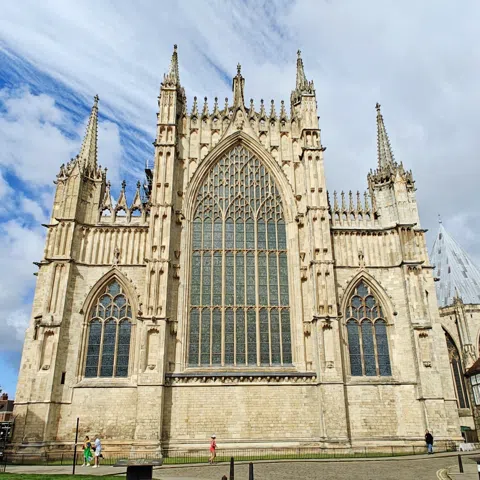
The York issue
Stone cats and medieval symbols hidden in York's architecture
Beneath York's skyline of towers and gargoyles sits a second, quieter city carved in stone and oak — grotesques, Norman zodiacs and rat-warding cats that most visitors walk straight past.

By Robin AspinallThe walls, the snickelways and the bits between them
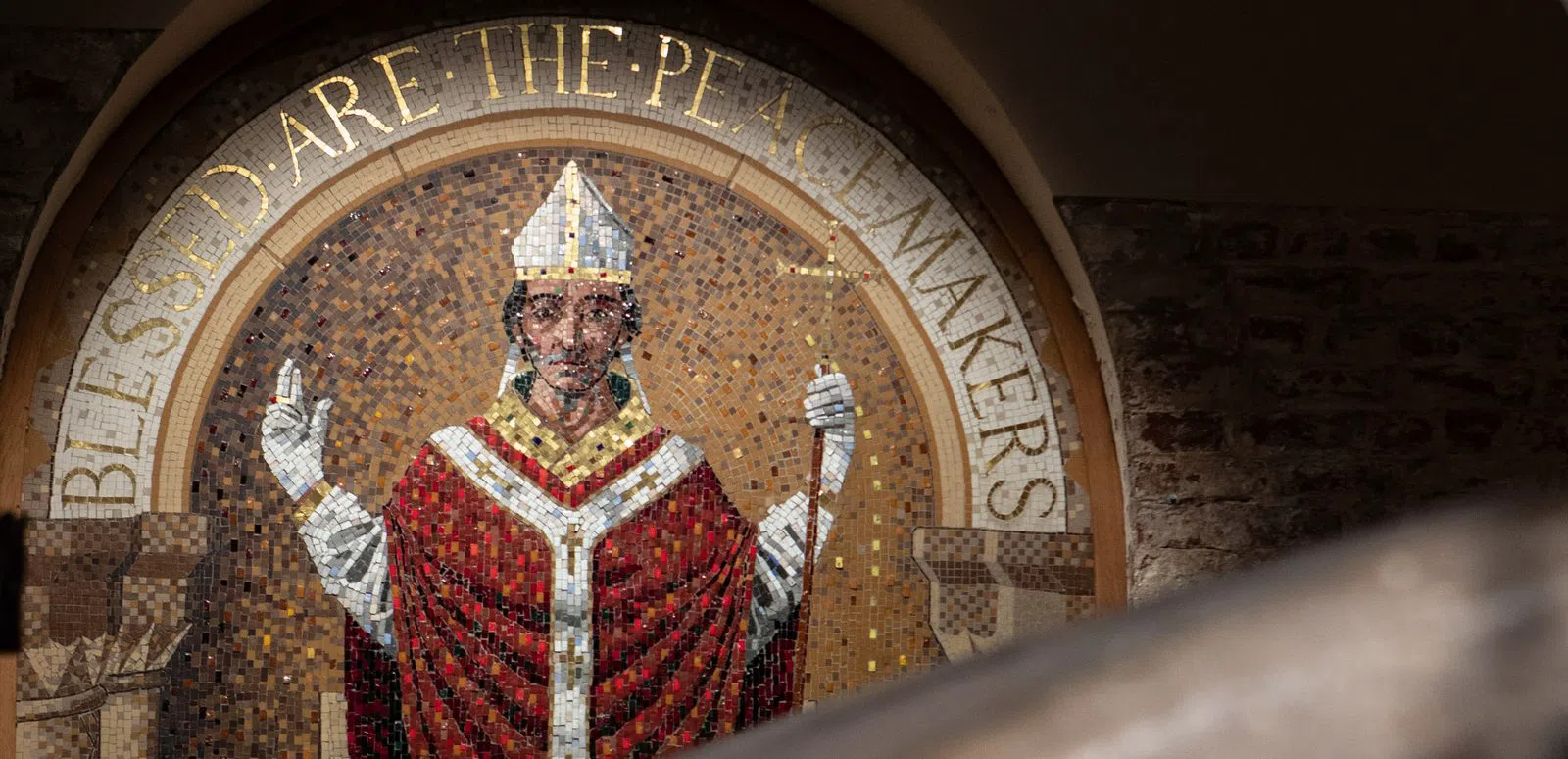
York's medieval carvers rarely left instructions, and six centuries on, most of their private jokes and religious warnings go unread by the thousands who pass beneath them every day. A grinning face at guttering height, a doorway carved with the zodiac, four blank stone stares above a nave arcade — none of it is signposted, and none of it needs to be to reward the look up. This is a route through York built entirely around the carvings you have to know to find, grouped so you can walk it in a day without doubling back.
Inside the Minster: grotesques and the mason's loft
York Minster (Minster Yard, city centre) holds the single best concentration of medieval grotesques in the city, carved into the stonework at roof level where they were never meant to be examined closely — they were meant to drain water and frighten the impressionable, not pose for photographs. General admission runs approximately £13–£20 and gets you the nave, quire and crypt, where most of the obvious carving is visible without craning your neck. The find worth planning around is the Chapter House & Mason's Loft tour, priced at approximately £28–£32, which takes a maximum of eight people up into the roof space to see mason's marks — the individual symbols medieval stonemasons cut into blocks as a kind of signature, used to track piecework pay. It is the only place in York, and one of very few places anywhere, where you can see that system up close rather than read about it on a plaque. Because the group size is capped at eight, it sells out; book the add-on ahead rather than turning up and hoping. The Minster hosts school and tour groups routinely, so if you're travelling with a larger party, general admission is straightforward — it's only the Mason's Loft that needs pre-booking and patience.
Plan your York trip
Live prices from our booking partners.
Free cancellation on many rooms. We may earn a commission when you book.
Norman doorways and forgotten heads
Two churches on Walmgate carry genuinely early carving that has nothing to do with the Minster's later Gothic grotesques, and both are routinely ignored in favour of bigger names nearby.
St Margaret's Church, now home to the National Centre for Early Music (Walmgate), has a striking modern glass-and-timber concert-hall extension bolted onto its west end, and that's what nearly everyone photographs. Beside it, easy to miss because your eye goes straight to the modern architecture, is a Norman porch carved with a zodiac doorway — one of only two surviving in Yorkshire. The porch and churchyard are free to view at any time; the interior itself is only accessible during ticketed concerts, so if you want to see inside as a group, contact the box office ahead rather than assuming you can walk in.
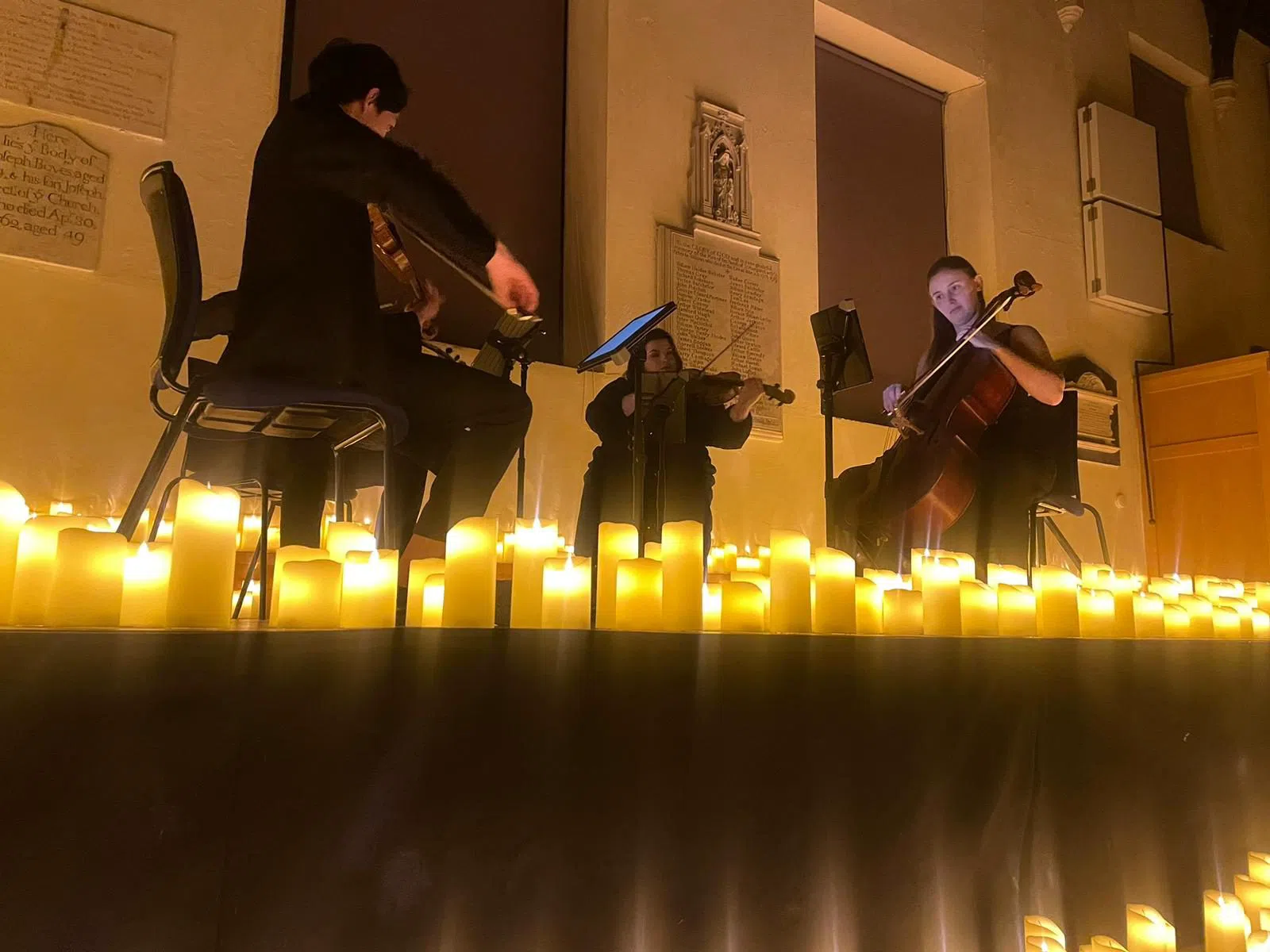
A short walk further along the same street, St Denys' Church (Walmgate) keeps its find inside rather than outside: four carved Norman heads set above the nave arcade, easy to miss entirely if you don't stop and look up once you're through the door. The church is free, welcomes small groups, and opens on weekday mornings — though times shift around services, so it's worth checking ahead rather than turning up unannounced, especially outside a Sunday.
The parish churches most visitors never enter
York has more surviving medieval parish churches than almost any city its size in Europe, and two of the finest carving collections sit in buildings that get a fraction of the Minster's footfall.
All Saints' Church, North Street is regularly described as the finest medieval church in York, and its roof bosses — carved and painted panels set into the ceiling — are exactly the kind of detail that requires a deliberate pause. Most visitors walk the length of the nave without ever tilting their head back far enough to see them. Entry is free, donations are appreciated, and small groups are welcome, though it's a working, quiet church, so ask before letting a larger group linger if a service is imminent.
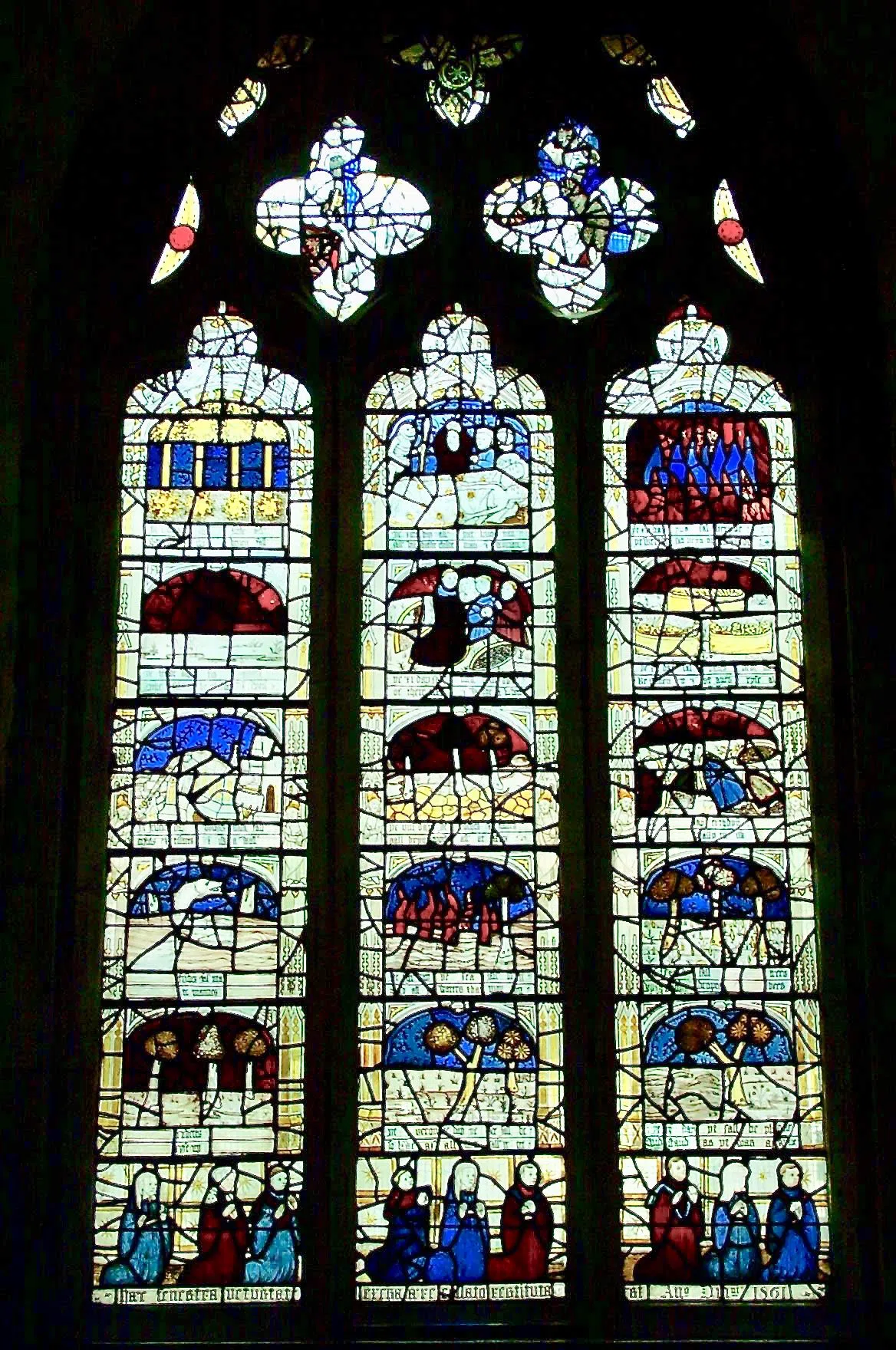
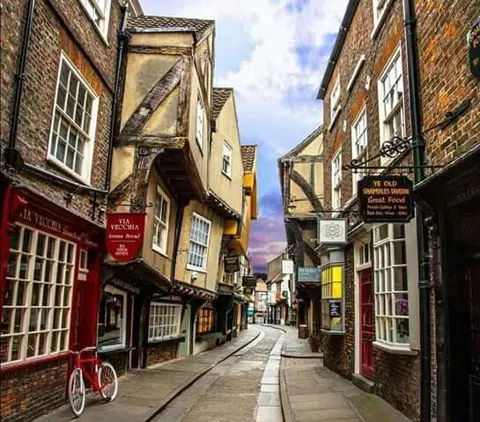
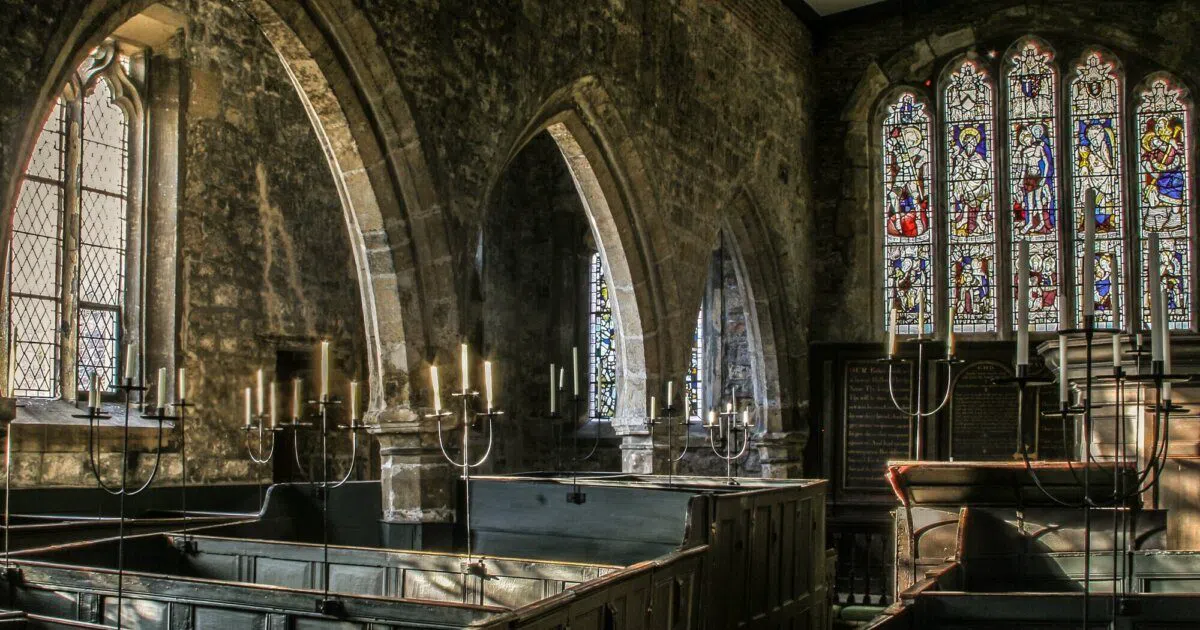
Holy Trinity Church, Goodramgate, cared for by the Churches Conservation Trust, is tucked behind a walled garden off one of York's snickelways — the narrow medieval passages that thread between the main streets — and is the church most visitors walk straight past without realising it's there. Its box pews and visibly tilted walls are worth the short detour alone; entry is free and self-guided, and it suits small groups well without any need to book.
Guildhalls, a townhouse and a ghost story
Merchant Adventurers' Hall (Fossgate) is one of the finest surviving medieval guildhalls anywhere, and its carved timber roof and beams reward slow looking rather than a rushed pass-through — this is not a five-minute stop. There's no formal guided tour scheme currently running, but independent group visits are welcome, and admission is approximately £6–£8 for adults.
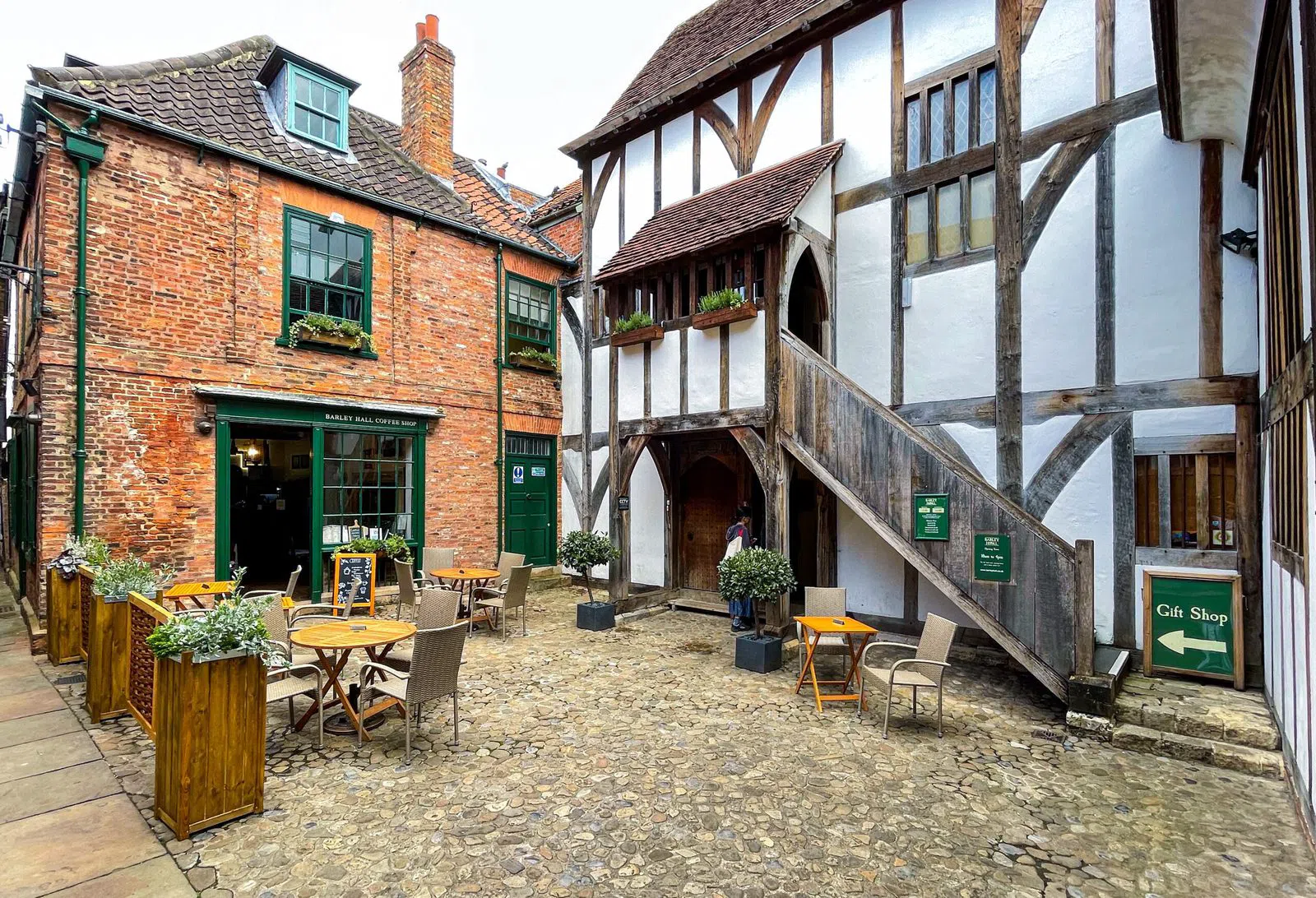
Barley Hall, a medieval townhouse museum hidden literally off an alley behind Stonegate, is easy to walk past twice before spotting the entrance — which is part of the point of including it here. It's open from 28 March to 25 October 2026, 10am–4:30pm, with adult admission of approximately £7–£9, and it takes groups without difficulty.
The devil, the cats, and other street-level symbols
Not every carving in York belongs to a church or a guildhall. The Stonegate Devil, a small carved figure at 33 Stonegate, is a free street-level stop that works well as one point on a self-guided or led walk. It's a printer's-assistant folk symbol rather than a religious warning — the printing trade on Stonegate used devil imagery as a kind of guild mascot — but it's exactly the sort of thing most people walk straight past without noticing, which earns it a place here regardless of its slightly later, secular origin.
The York Cat Trail is a free, self-guided street trail that works for groups of any size, following a printed map or phone app past more than 30 carved cats set into buildings around the city. Worth a straight honesty check: most of these date from the 1920s to the 1980s, not the medieval period, so resist any temptation to call them ancient. What they do continue is a genuinely older tradition — carved cats were used historically in York's timber buildings to ward off rats, and the modern trail keeps that folk practice visible rather than inventing it from nothing.

The walls and the ruins
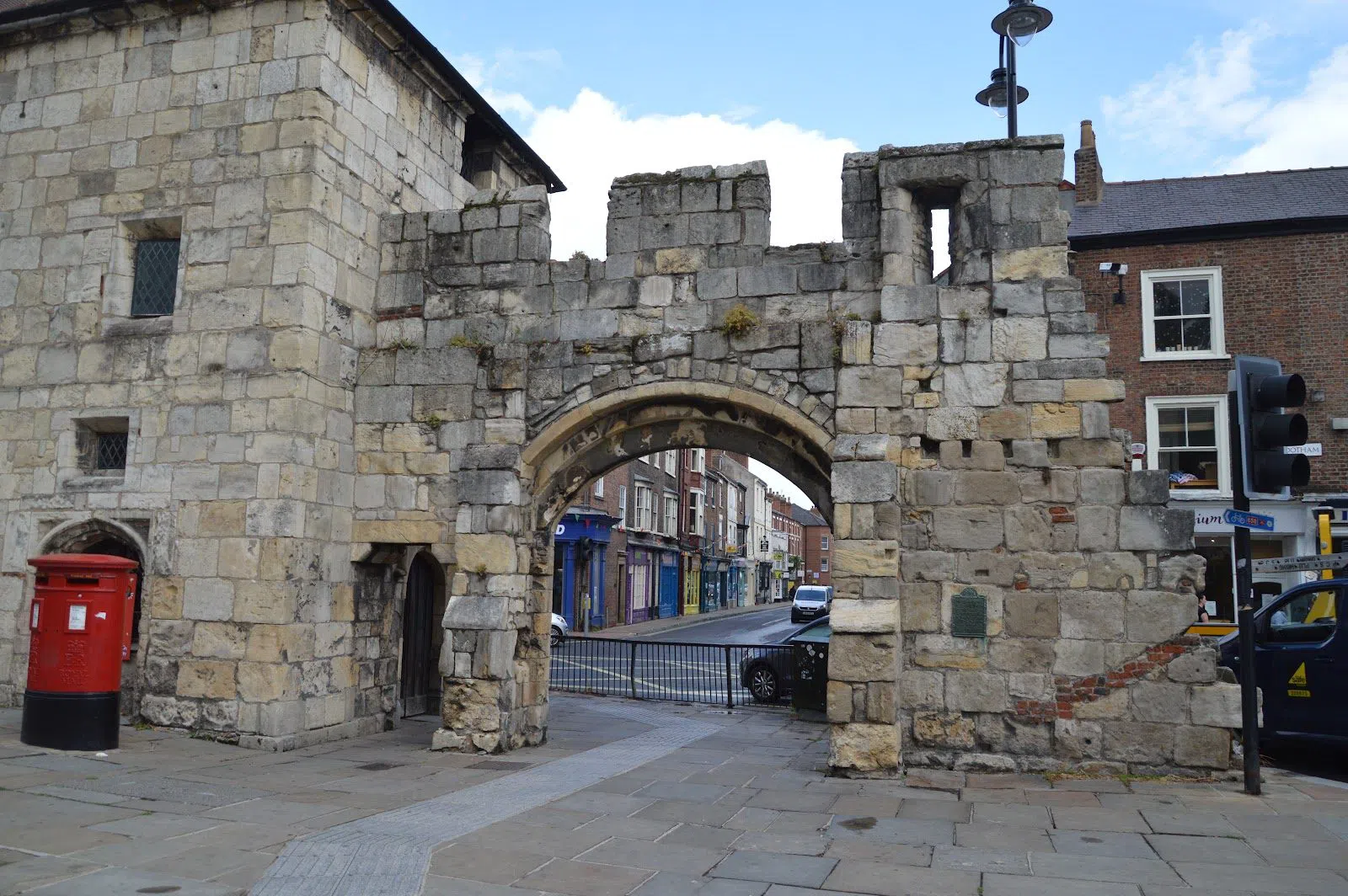
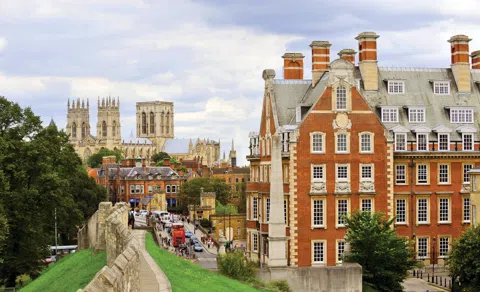
York City Walls, entered at points including Bootham Bar and Micklegate Bar, are free, open-air, and open from 8am until dusk daily, making them the easiest stop on this list to fit into any schedule and any group size. One thing worth knowing before you plan a visit around them: the ticketed interior exhibitions once housed inside Monk Bar (the Richard III Experience) and Micklegate Bar (the City Walls Experience) have both permanently closed. What remains — and what this walk is actually interested in — is the exterior carving on the bars themselves and the free wall walk, which was always the real point of interest rather than the exhibitions that used to sit inside.
St Mary's Abbey ruins, in York Museum Gardens, are the one place in the city where you see carved medieval stone left honestly as rubble rather than restored, relocated or built over. For centuries, stone from the collapsed abbey was quarried out and reused in buildings across York, which is part of why so much medieval carving turns up in unexpected corners of the city — it started here. The gardens are free and open year-round, well suited to groups of any size; the Yorkshire Museum building within them is separately ticketed, at approximately £8–£10 for adults, and isn't necessary to see the abbey ruins themselves.
Practical information
Getting around. Everything on this list sits inside or just outside York's city walls, and the whole route is walkable — nothing here requires a bus or taxi. Cobbled streets and uneven church floors mean flat, sturdy shoes matter more than in most cities.
Cash and cards. Card payment is standard at ticketed sites (the Minster, Barley Hall, Treasurer's House, the Yorkshire Museum, Merchant Adventurers' Hall). Carry a little cash for donation boxes at the free churches, where a card reader may not be available.
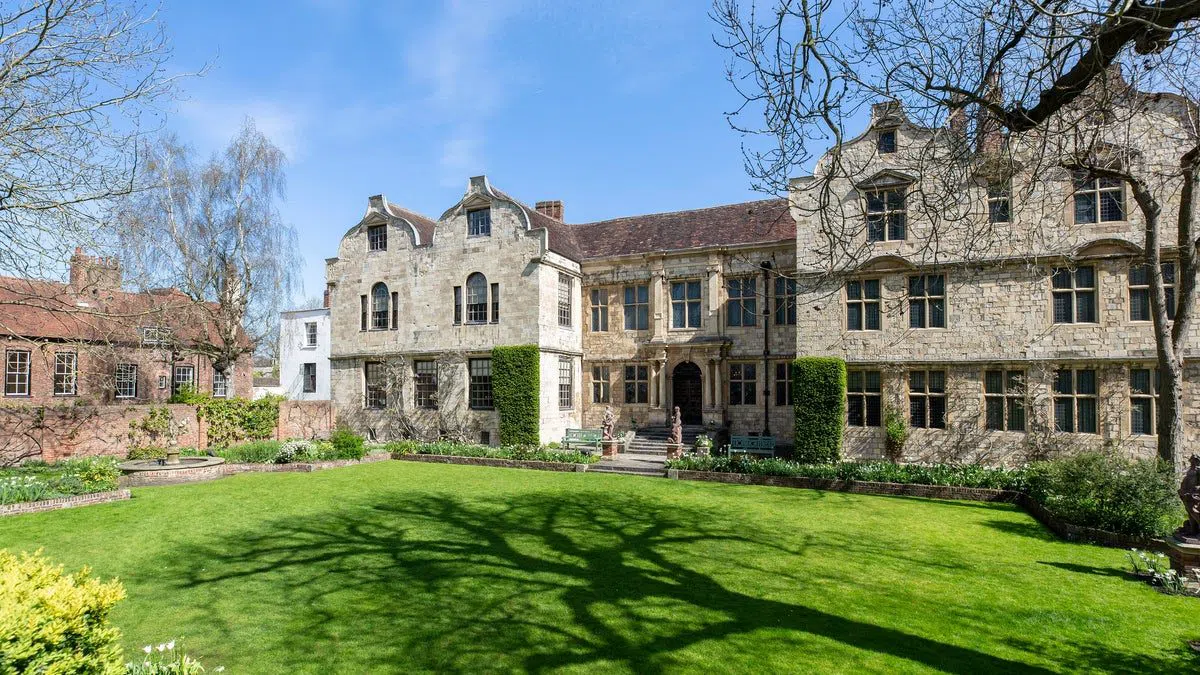
Timing. Barley Hall runs a seasonal calendar (28 March–25 October 2026) and Treasurer's House guided tours run Saturday to Wednesday, 11am–3pm, April to October — both close outside those windows, so check dates before building a day around them. St Denys' opens weekday mornings but times shift around services. The Minster's Chapter House & Mason's Loft tour has an eight-person cap and sells out, so book it before you fix the rest of your itinerary around it, not after.
Budget. The free stops — both Walmgate churches, both North Street and Goodramgate churches, the Stonegate Devil, the Cat Trail, the City Walls, and the Museum Gardens — cover most of the actual carving on this list. The paid sites are modest by comparison: expect roughly £6–£10 each for Barley Hall, Merchant Adventurers' Hall, Treasurer's House or the Yorkshire Museum, with the Minster's general admission (£13–£20) and its Mason's Loft add-on (£28–£32) as the only real splurge, and one worth making if mason's marks are the specific thing you came for.
If you're building a longer stay around this walk, start with the York guide for the wider city, and sort accommodation early through York hotel search — central rooms near Stonegate and the Minster book up well ahead of summer weekends.
Before you go
Where can I see medieval mason's marks in York?
The clearest place is York Minster's Chapter House & Mason's Loft tour, which takes a maximum of eight people into the roof space where individual stonemasons' marks are visible up close. It costs approximately £28–£32, separate from general admission, and sells out, so book it ahead rather than on the day.
Is the York Cat Trail actually medieval?
No, not mostly. Most of the 30-plus carved cats along the trail date from the 1920s to the 1980s. They continue a genuinely older York tradition of carving cats into timber buildings to ward off rats, but the visible cats themselves are largely 20th century, not medieval.
Can I see the Richard III and City Walls exhibitions inside Monk Bar and Micklegate Bar?
No — both the Richard III Experience at Monk Bar and the City Walls Experience at Micklegate Bar have permanently closed. The exterior carvings on the bars and the free wall walk itself remain open daily from 8am until dusk.
Are these sites suitable for larger tour groups?
Most are. York Minster, the City Walls, St Mary's Abbey ruins, Barley Hall, Merchant Adventurers' Hall and the York Cat Trail all accommodate groups of any reasonable size. The exceptions are the Minster's Mason's Loft tour (capped at eight) and the smaller parish churches — All Saints' North Street, Holy Trinity Goodramgate, St Denys' and St Margaret's — which are quiet working buildings better suited to small groups, with courtesy around services expected.
What does it cost to see all the hidden carvings in York?
Most of the carving on this route is free: both Walmgate churches, North Street and Goodramgate churches, the Stonegate Devil, the Cat Trail, the City Walls and the Museum Gardens. Paid sites run roughly £6–£10 each (Barley Hall, Merchant Adventurers' Hall, Treasurer's House, the Yorkshire Museum), with the Minster's general admission and Mason's Loft add-on as the only significant expense.