The York issue
Eboracum Beneath the Modern City: Walking Roman York's Two-Thousand-Year-Old Defences
A calm, practical one-day walking route through the Roman fortress that still stands beneath — and occasionally above — the streets of modern York.

By Robin AspinallThe walls, the snickelways and the bits between them

The Roman fortress of Eboracum has not gone anywhere. It sits a metre or two beneath the pavements of the modern city — under the Minster, under a pub cellar, under the grass of a public garden — and in a handful of places it still stands in open daylight. What follows is a route for seeing it in a single unhurried day on foot, arranged so that you build the picture in the right order: the story first, then the stones.
York rewards a reader who plans. Most of the Roman sites cluster within a ten-minute walk of one another, several are free, and the paid ones are inexpensive by any museum standard. The main things to get right are opening hours and the difference between places that suit a couple wandering at their own pace and places built to swallow a coach party. I have flagged both throughout.
Begin with the story: the walk and the headline museum

If it is your first morning and the history feels abstract, start with a guide. Original York Walks (meeting in the city centre, a short step from the Minster) has a new-for-2026 Roman Walk covering the Ninth and Sixth Legions, Constantine, and the town's gladiators. It runs roughly 90 to 120 minutes, includes steps and some uneven ground, and it is genuinely the clearest storytelling entry point for anyone arriving cold. The format is built for groups, and private group bookings are available; couples slot in easily too. Expect somewhere in the region of £8 to £12 per person. Book the slot the day before if you can, and wear proper shoes — this is a walk, not a stroll.

With the narrative in your head, walk to Museum Gardens for the Yorkshire Museum (Museum Gardens, inside the botanical grounds off Museum Street). This is the single most useful indoor stop for understanding Eboracum. Its 'Roman York: Meet the People of the Empire' gallery gathers the city's finest Roman finds under one roof — the objects that give the abstract fortress its faces and names. Adult entry sits around £9 to £10, under-16s go free, and the museum is family-friendly. It takes groups and school parties comfortably and runs a dedicated group-visit booking with its own rates; if you are bringing a party, arrange that in advance rather than turning up en masse. Allow an hour, more if you read every label, which here is worth doing.
The same gardens hold your first piece of standing Roman stonework, so don't rush out — but I'll come to that below, because it belongs with the other open-air ruins.
Plan your York trip
Live prices from our booking partners.
Free cancellation on many rooms. We may earn a commission when you book.
Underground: standing on the fortress
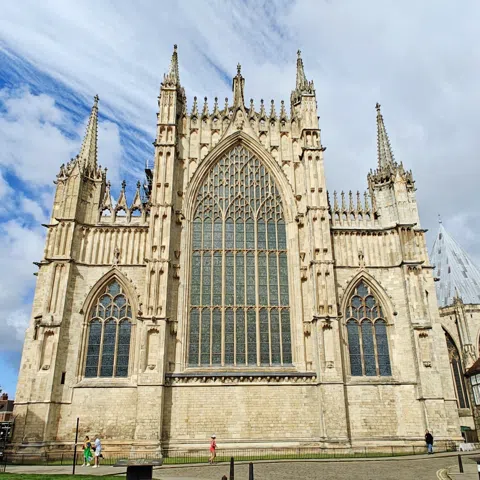
The most direct way to feel where the legion actually lived is to go beneath the cathedral. The York Minster Undercroft Museum (Minster Yard) puts you on the foundations of the Principia — the headquarters building at the dead centre of the legionary fortress — directly under what became England's greatest Gothic cathedral. That layering of two thousand years, one civilisation built squarely on top of another, is the thing to register here; the Roman column bases sit where the soldiers left them. Entry is included with the Minster sightseeing ticket, which runs roughly £18 to £22 for an adult and covers a good deal more than the undercroft, so treat it as a half-morning rather than a quick look. The site handles large tour groups and offers group rates. Check the day's timings before you go, as cathedral services and events can close sections at short notice.

A five-minute walk away is a smaller, stranger survival. The York Roman Bath (St Sampson's Square) is a genuine legionary bath house in the basement of a working pub. The museum space itself is compact — comfortable for a couple or a small group, but not for a crowd — while the pub above can seat larger parties over a drink afterwards. Museum entry is only a few pounds, drinks are extra, and the whole thing is quirky in the best York way: you descend a staircase off a busy square and find the caldarium plunge bath where soldiers washed. It suits the curious more than the completist, and it pairs well with a lunch stop.

Get your hands dirty: the interactive counterpoint
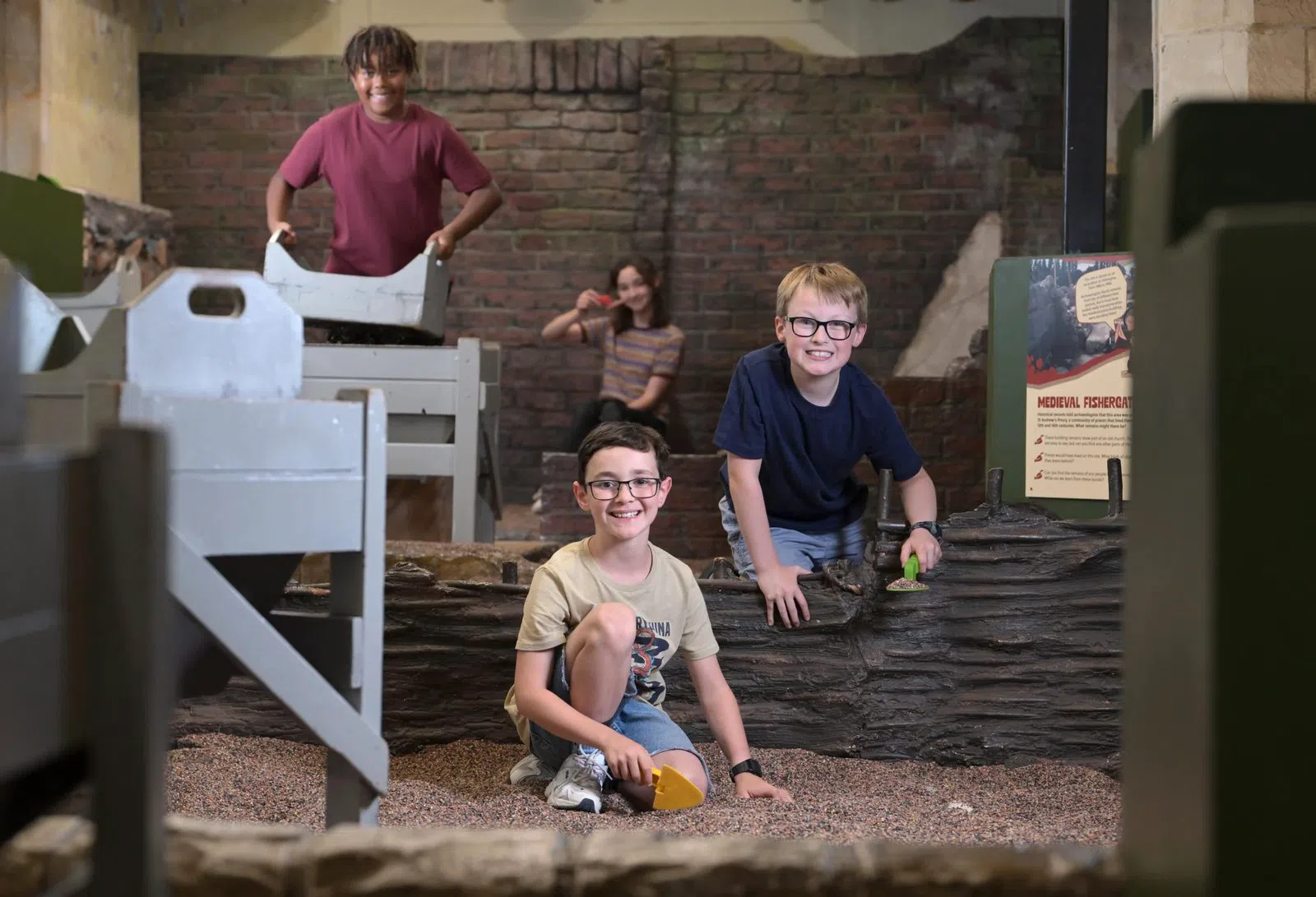
Museums under glass are one register; digging is another. DIG: An Archaeological Adventure (St Saviourgate, in the former church of St Saviour) is run by York Archaeology and works as the hands-on counterpart to the display cases. It has a Roman-period dig pit among its excavation stations, and it is strong for families, schools and groups. Sessions are timed and should be pre-booked; note the practical detail that adults-only groups are steered to the last slot of the day, which is worth knowing if you are a party of grown-ups who would rather not share the pit with a school trip. Adult entry is around £8 to £9. It is more activity than museum, so budget 45 minutes to an hour and manage expectations accordingly — this is participation, not a gallery.
Above ground and free: walls, tower and monuments
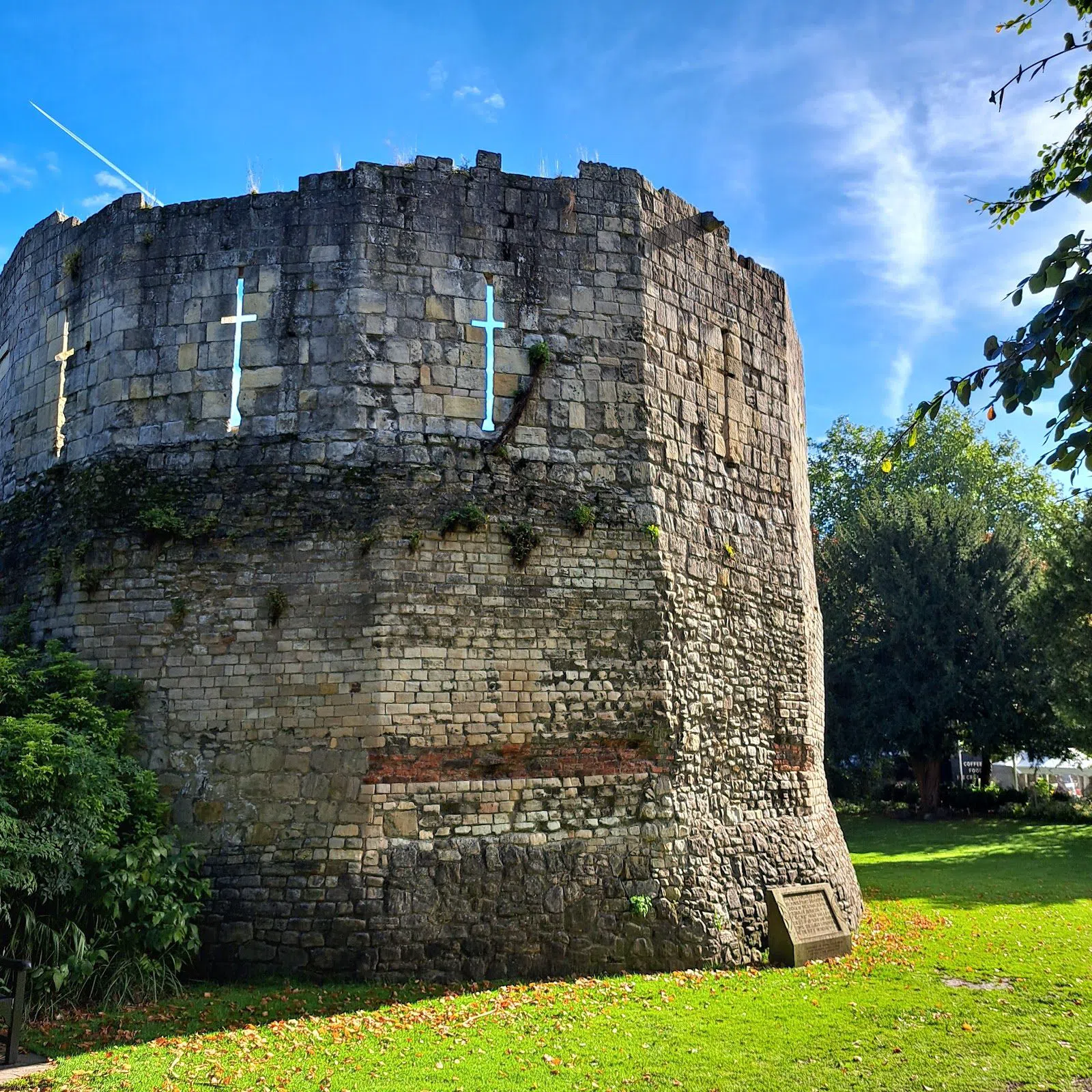
Here is where York over-delivers, because the best-preserved Roman structure in the city costs nothing. Back in Museum Gardens, the Multangular Tower (Museum Gardens) is the west corner of the fortress wall, still standing to a respectable height — the Roman courses at the bottom clearly distinct from the medieval work above. It is open-air, free, and groups roam it without any door policy or booking. Give it ten minutes and look for the change in the stone about two-thirds of the way up; below that line is Roman, above it is not.
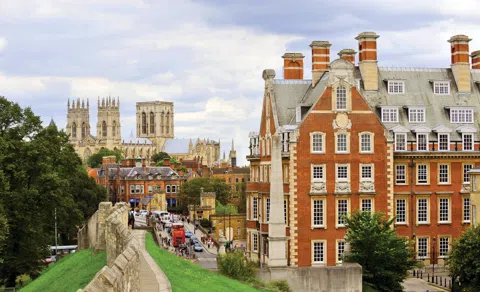
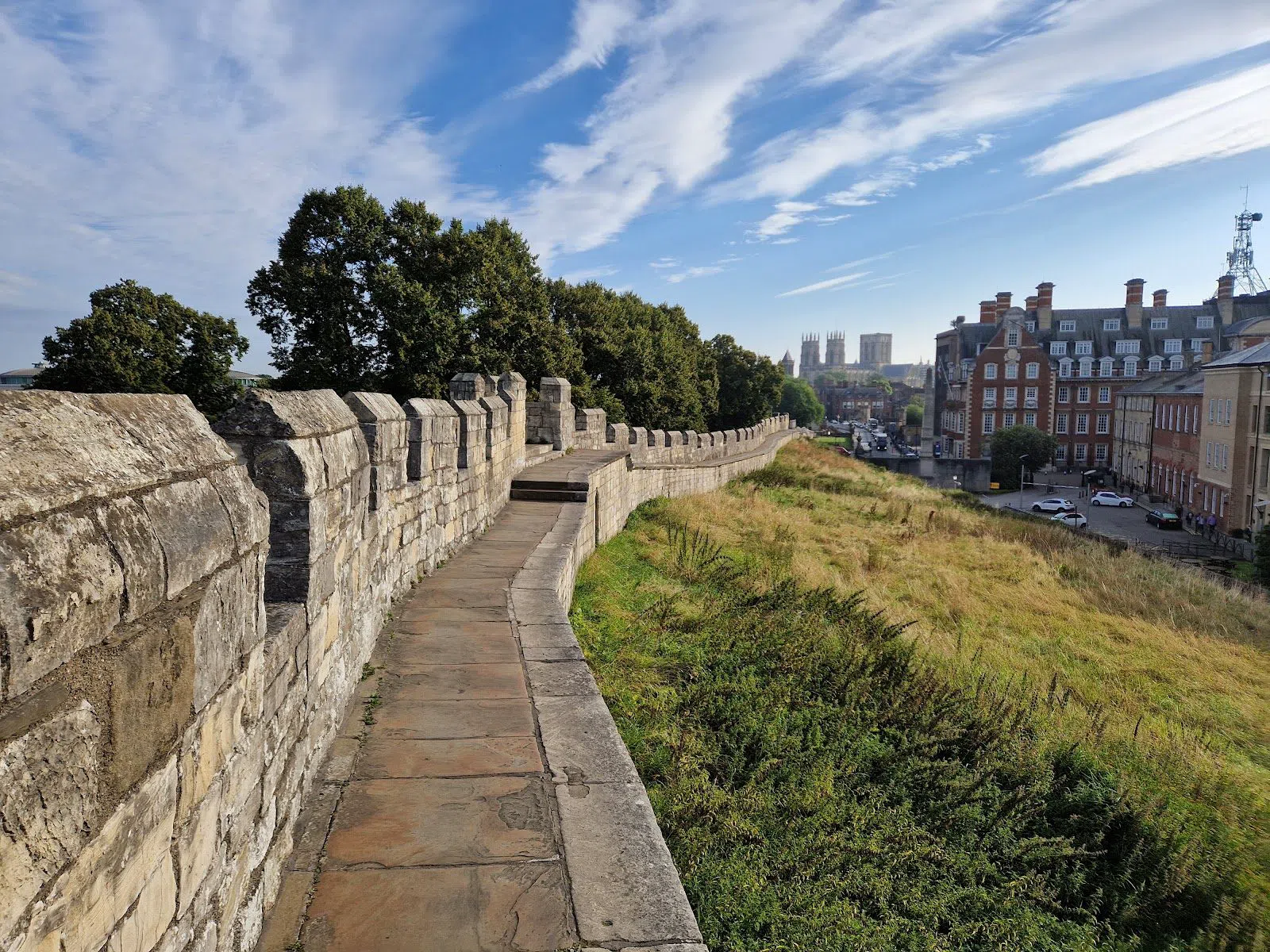
From the gardens you can join the York City Walls (the Roman fortress circuit), Britain's most complete circuit of city walls. The northern stretch is the one that matters for this trip: it traces the perimeter of the legionary fortress itself, laid on Roman foundations, and the walk is free and open-access. Groups are welcome, but be honest with yourself about mobility — the walls are narrow in places, involve steps, and have no barrier on one side in sections. It suits confident walkers and couples well; for a large or mixed-ability group, do a short signposted stretch rather than the full loop. There is no ticket and no gate, only daylight hours and sensible footwear.
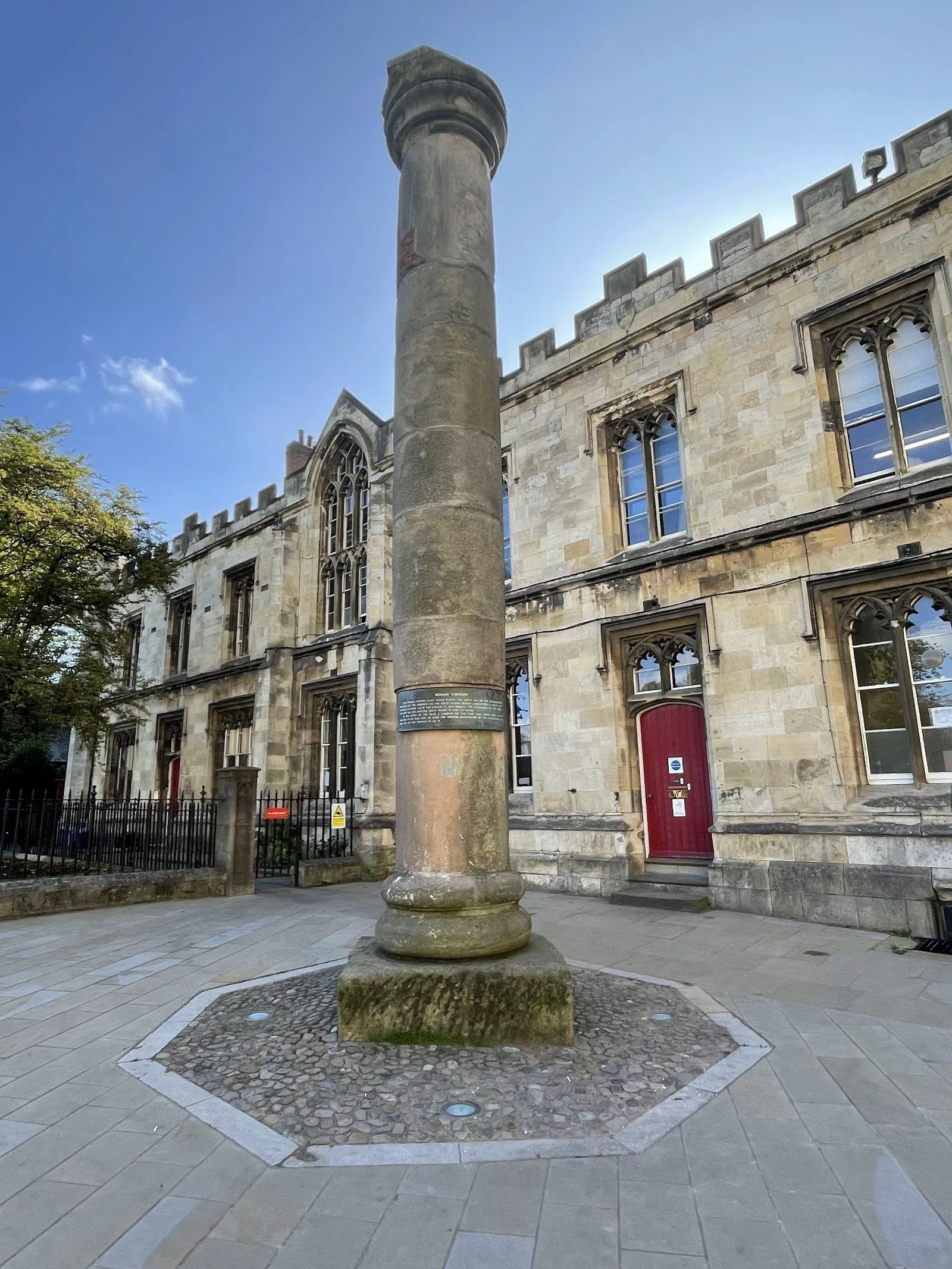
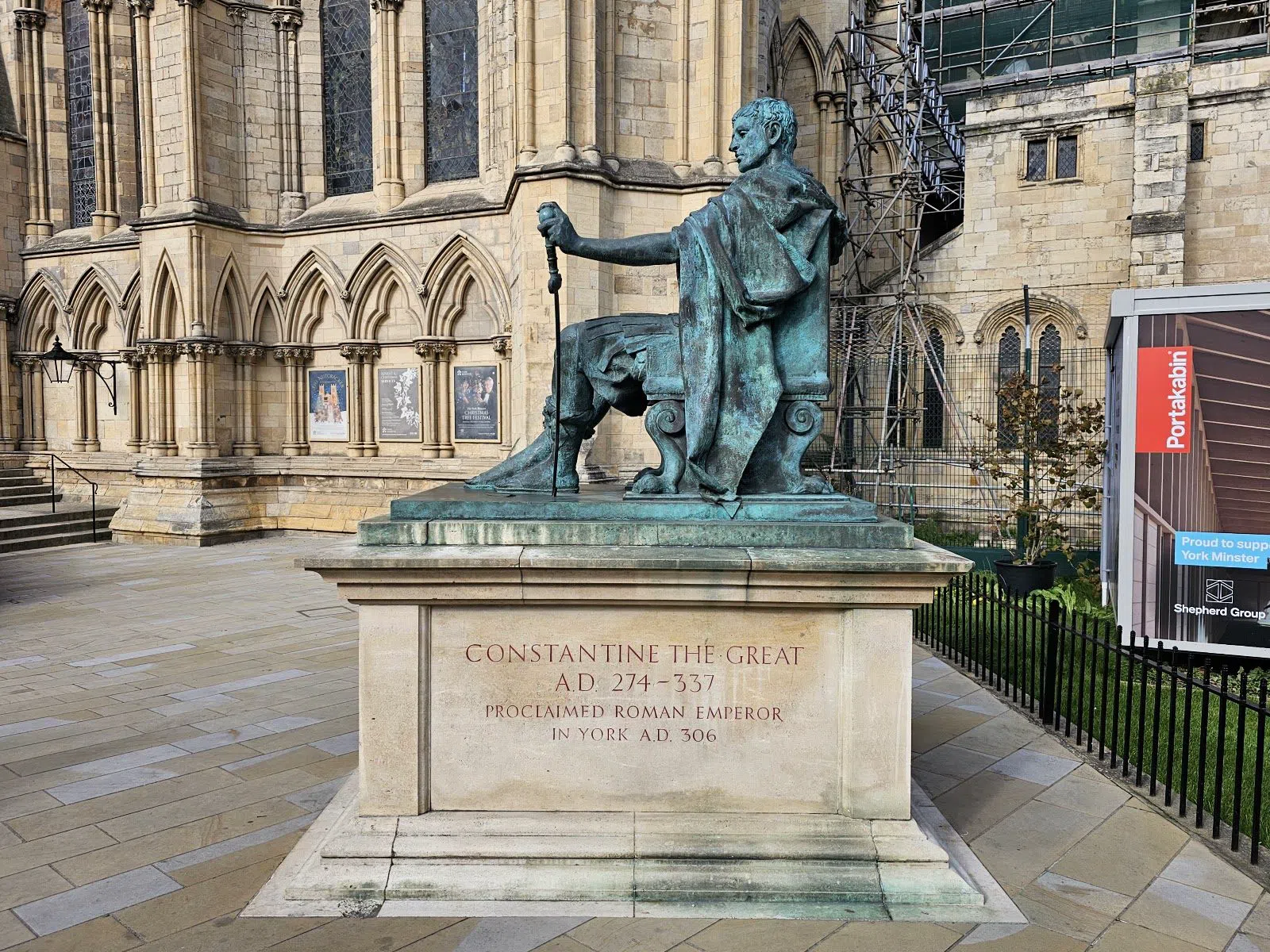
Two free monuments sit together in Minster Yard and make a natural pair. The Statue of Constantine the Great (Minster Yard, on the Minster's south side) marks the city where Constantine was proclaimed emperor in AD 306 — a genuinely consequential moment in European history, and the obvious anchor photograph for any Roman-York record. A few steps away stands the Roman Column, Minster Yard (Minster Yard), an actual pillar from the legionary headquarters, re-erected close to where the Romans first raised it. Both are outdoors, free, and open to any group at any size. Ten minutes covers the two, and they slot neatly on the way to or from the Undercroft, so cluster them together rather than making separate trips.
Time it right if you can
One date is worth planning around. The Eboracum Roman Festival (centred on Museum Gardens) brings the period alive with re-enactors, a living-history camp, expert talks and hands-on activities. In 2026 the living-history camp runs across the weekend of 23–24 May. It is free, family-oriented and built to handle crowds and groups, which makes it an easy add for a party. It is seasonal by definition, so this only helps if your visit lands on that late-May weekend; check the exact programme before you build a day around it, as talk times and camp hours are set closer to the date. If your dates don't align, you lose nothing from the rest of this route — the stones are there year-round.
A sensible order for the day
If you want a single ready-made plan: take the morning Roman Walk to fix the story, then the Yorkshire Museum and the Multangular Tower in the same gardens without moving your feet far. Break for lunch near St Sampson's Square and drop into the Roman Bath. Spend the early afternoon at the Minster Undercroft, then pick up the Constantine statue and the Roman Column in Minster Yard on your way out. Finish with a short stretch of the northern City Walls in the late-afternoon light, or swap in DIG earlier if you are travelling with children who need something to do with their hands. That sequence keeps walking to a minimum and never doubles back.
Couples and independent travellers can do the whole thing at their own pace in a day. Larger groups should pre-book the paid sites — the museums, DIG and the walk all have group arrangements — and accept that the Roman Bath and the narrower wall sections work better split into small numbers.
Practicalities
Getting around. This is a walking day, full stop. Every site named here sits inside the walled centre, and the longest single hop is under fifteen minutes on foot. York's centre is largely pedestrianised and the streets are old, which means cobbles and kerbs; flat, grippy shoes matter more than any transport decision. Arriving by train drops you a ten-minute walk from Museum Gardens, and the walls begin near the station too.
Cash and cards. Prices here are quoted in pounds sterling, the local currency, and cards are accepted almost everywhere. Carry a little cash anyway for the smallest sites and for any donation boxes at the free monuments.
Timing and opening. Check hours the night before, because the museums, the Undercroft and DIG all keep set closing times and last-entry slots, and the Minster occasionally closes sections for services. The free outdoor sites — the tower, the walls, the statue and the column — are governed by daylight rather than a ticket desk; the walls in particular are best walked well before dusk.
Budget. A frugal but complete day is very doable: the Multangular Tower, the City Walls, the Constantine statue and the Roman Column are all free, and in a festival year so is the Eboracum weekend. Add the Yorkshire Museum (about £9–10), the Roman Bath (a few pounds), DIG (about £8–9) and the guided Roman Walk (about £8–12) as you like. The one larger outlay is the Minster combined ticket at roughly £18–22, which buys far more than the undercroft. Book accommodation early for the May festival weekend and any summer date; compare options through York hotel search, and for wider planning beyond the Roman sites see the full York guide.
Seen in the right order, Eboracum stops being a footnote and becomes the thing the modern city is quite literally built on — a fortress you can stand inside, walk the walls of, and, in one pub cellar, bathe in the memory of.
Before you go
How much of Roman York can I see for free?
A good deal. The Multangular Tower in Museum Gardens, the northern stretch of the City Walls, the Statue of Constantine and the Roman Column in Minster Yard are all free and open-access. In 2026 the Eboracum Roman Festival weekend (23–24 May) is free too. You only pay for the indoor museums, DIG, the guided walk and the Minster ticket.
Can I do all the Roman sites in one day on foot?
Yes. Every site sits inside the walled centre and the longest walk between them is under fifteen minutes. A comfortable order is a morning guided Roman Walk, then the Yorkshire Museum and Multangular Tower in the same gardens, lunch near the Roman Bath, the Minster Undercroft in the afternoon, and a stretch of the City Walls to finish.
Where can I actually stand on the Roman fortress?
Two places make it literal. The York Minster Undercroft Museum sits on the foundations of the fortress headquarters, directly beneath the cathedral. The York Roman Bath, in a pub basement on St Sampson's Square, is a genuine legionary bath house you descend into from the street.
Is this trip suitable for a large group or a school party?
Mostly. The Yorkshire Museum, York Minster Undercroft, DIG and Original York Walks all take groups and offer group booking and rates — pre-book these. The Roman Bath museum space and the narrower sections of the City Walls work better in small numbers, so split larger groups there. Adults-only groups at DIG are given the last slot of the day.
When is the Eboracum Roman Festival in 2026 and is it worth planning around?
The living-history camp runs across the weekend of 23–24 May 2026 in and around Museum Gardens, with re-enactors, talks and hands-on activities, all free. It is worth timing a visit to if your dates align, but check the exact programme closer to the date. If they don't align, the rest of the Roman sites are open year-round.