The York issue
The Historic Core, York: the neighbourhood guide
The square half-mile inside the Bar Walls holds the Minster, the Shambles and York's best cooking — here's how to plan a day in it without queueing your morning away.

By Robin AspinallThe walls, the snickelways and the bits between them
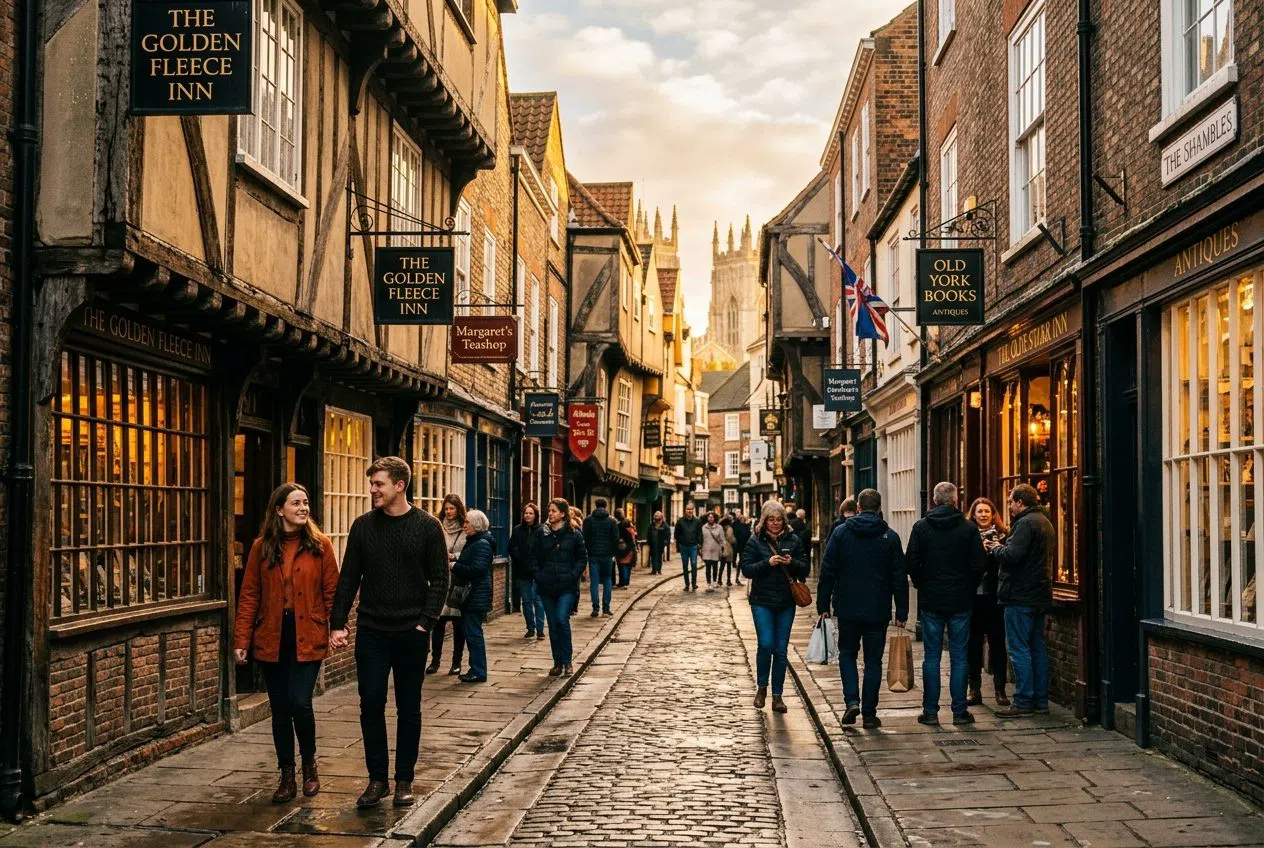
The Historic Core is the walled square of central York, small enough to cross on foot in fifteen minutes and dense enough to fill three days. Everything of note sits inside the medieval Bar Walls: the Minster at the top, the castle mound at the bottom, and a tangle of cobbled streets, guildhalls and tea rooms in between. The catch is timing — the same lanes that are yours alone at eight in the morning are shoulder-to-shoulder by eleven, so this guide is built around when to go as much as where. For orientation and the wider city beyond the walls, start with the York guide; what follows is the core itself.
The sight the whole quarter orbits
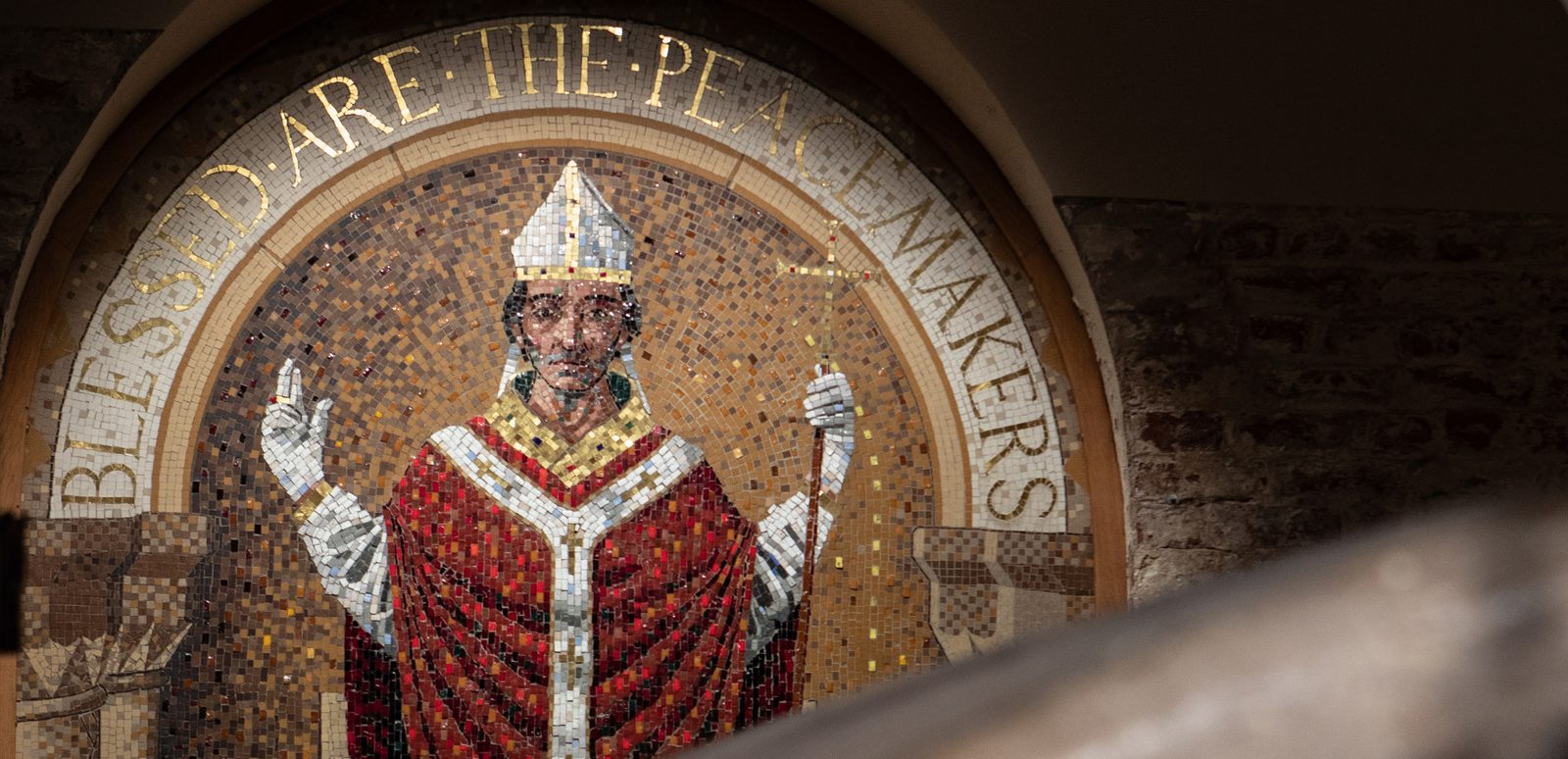
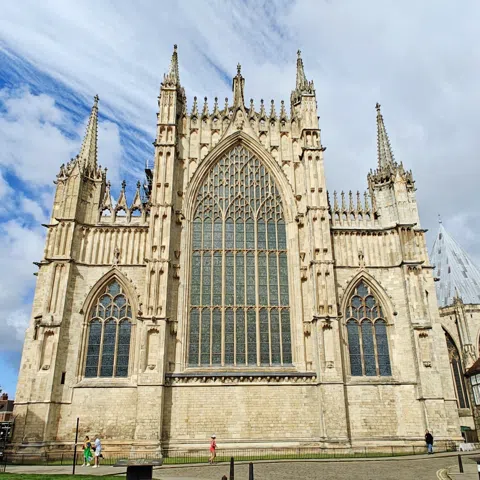
York Minster (top of the core, off Deangate) is the anchor, and the one place worth booking before you arrive. A sightseeing ticket runs £13–£28 and, usefully, stays valid for a full calendar year, so a single visit covers repeat trips; York residents and students go free with ID. The important practicality is the clock: visitor hours shrink to the early afternoon on Sundays around services, so if a Sunday is your only window, book a slot ahead rather than turning up. Group and trade visits are arranged through the website portal, and large parties are genuinely welcomed provided you give notice — this is a working cathedral used to coach tours, not a place that will be caught out by twenty of you.
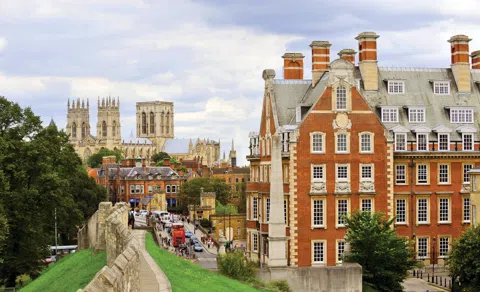
Walk the York City Walls (the Bootham Bar to Monk Bar stretch, north side) for the view back at it. These are England's longest town walls, the walkway is free and open, and there's nothing to book — you simply climb the steps at a Bar and walk. The Bootham Bar–Monk Bar section gives the postcard shot of the Minster rising over the battlements. It suits any group size because you walk in single or double file along open stretches rather than gathering in a room; just check the City of York Council page before a special trip, as short conservation closures occasionally take a section offline.
Plan your York trip
Live prices from our booking partners.
Free cancellation on many rooms. We may earn a commission when you book.
Streets to walk before the crowds
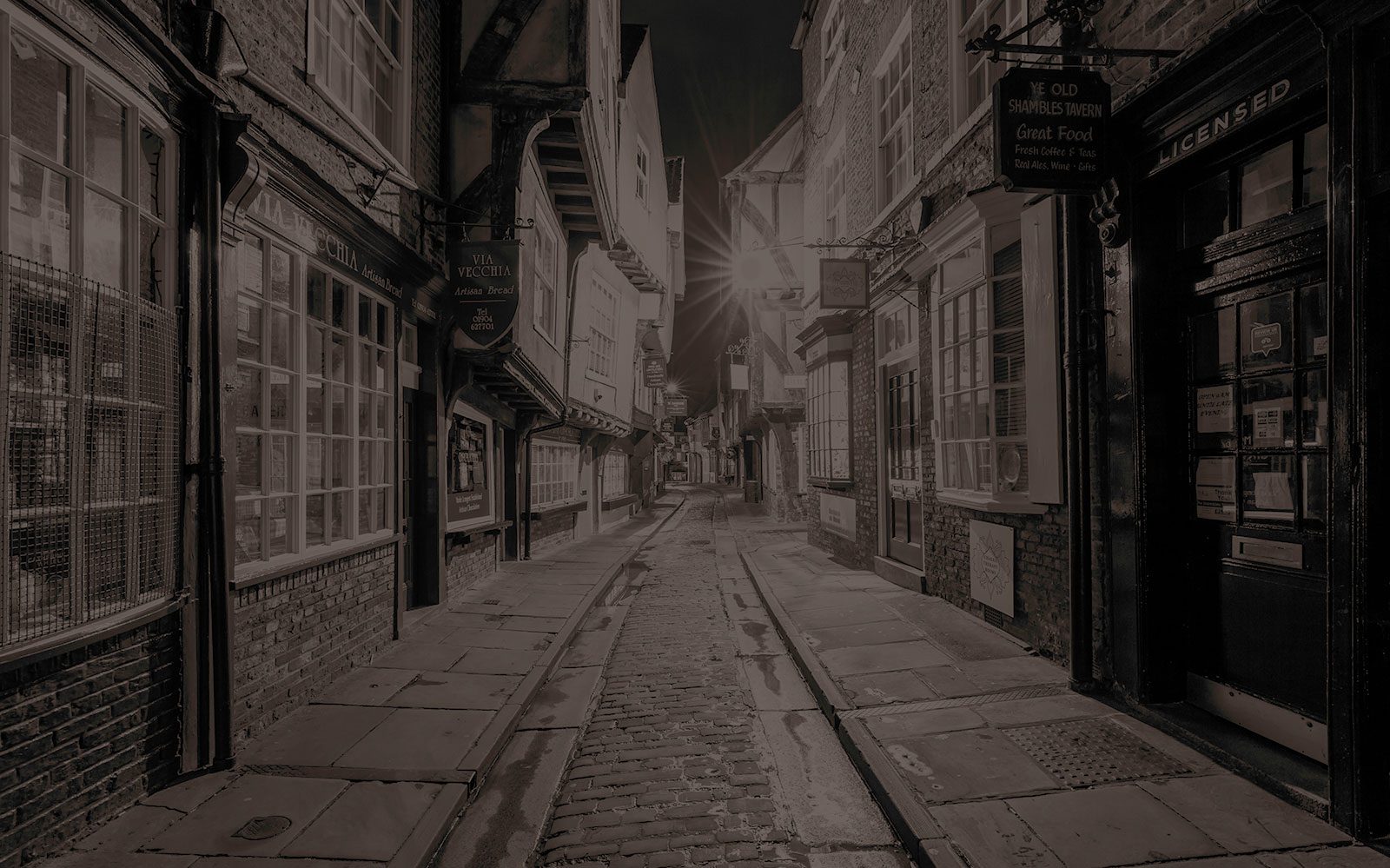
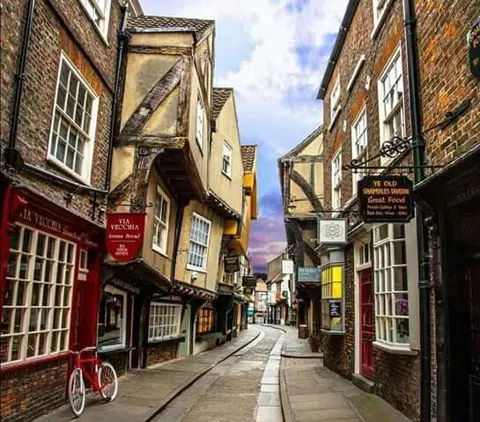
The Shambles (dead centre, running off King's Square) is the medieval former butchers' row, its upper storeys leaning in until they almost meet. It's a public street and always open, which is both the appeal and the problem: by late morning it is a slow shuffle. Go before 9am or after 6pm and you get the cobbles more or less to yourself, which is the only way to see the timber-framing properly. It costs nothing and needs no plan beyond setting an alarm.
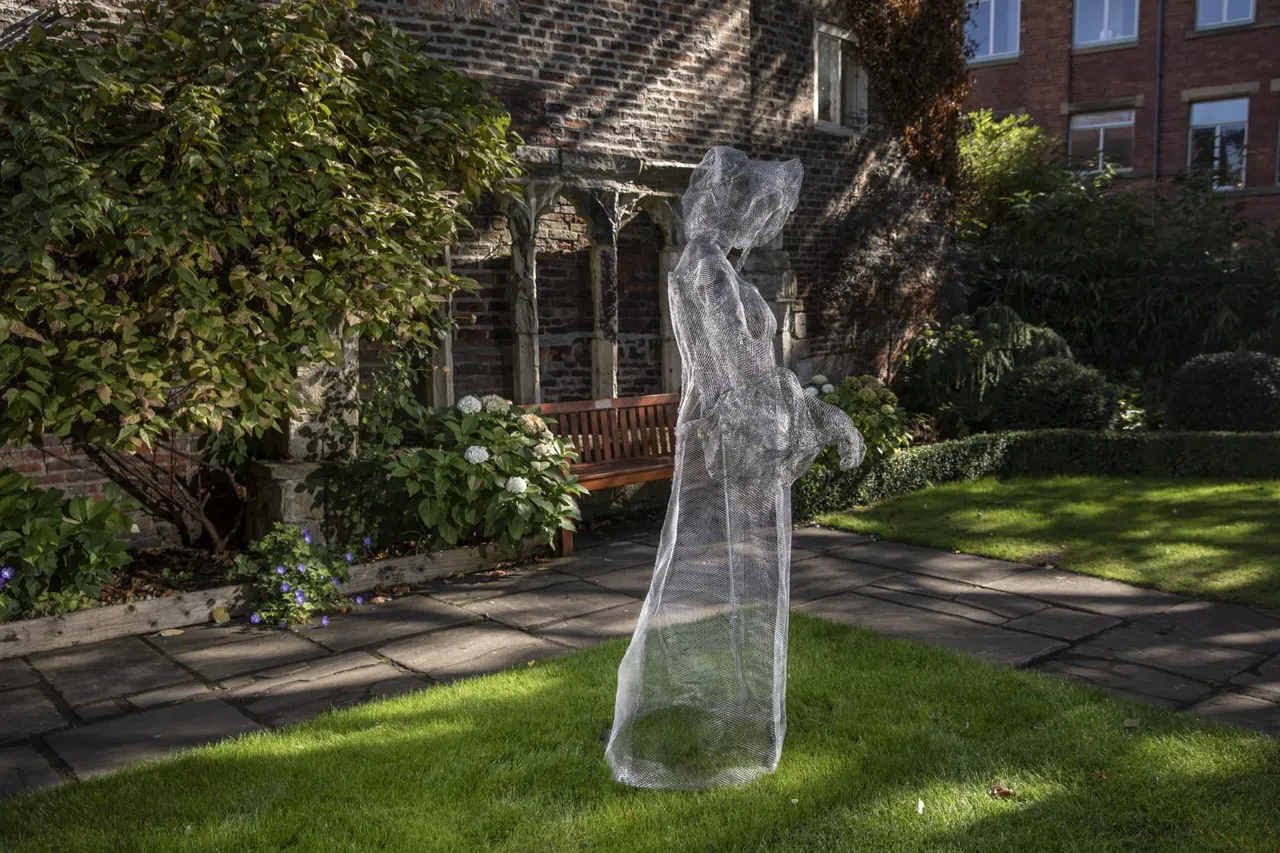
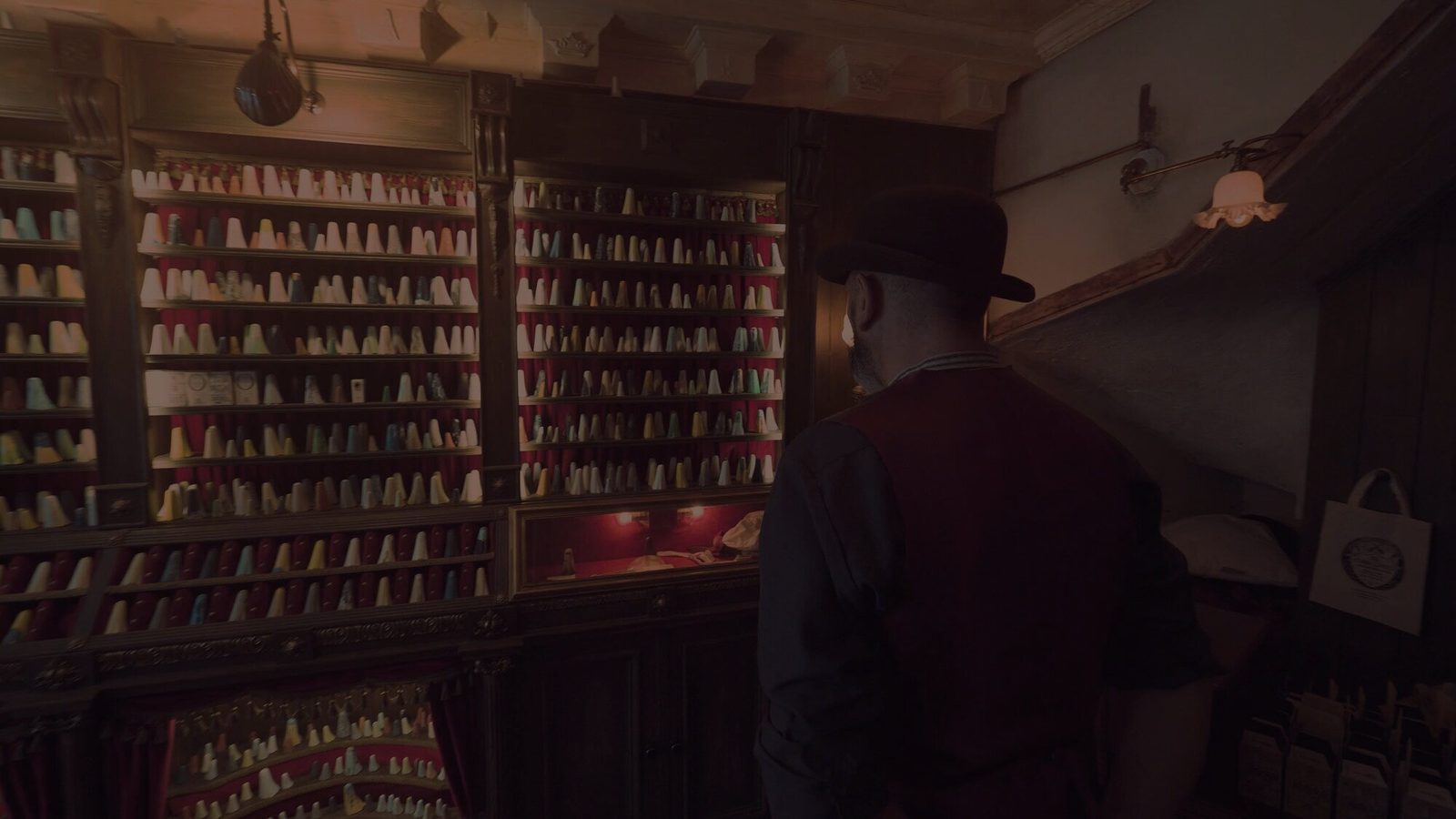
On the same street, The York Ghost Merchants (the Shambles) sells one thing — small handmade ghosts, a few pounds and up — from a theatrically fitted-out shop that is half the reason to go in. It aims to open seven days a week from 2026, but the queue is real and can swallow a chunk of your morning. If you don't fancy the wait, the sister York Ghost Dispensary in St Anthony's Garden carries the same stock with shorter lines. It is a shop rather than a sight, so treat it as a stop, not a destination.
A few streets west, House of the Trembling Madness (Stonegate) is the original of the name: a low-beamed, taxidermy-hung medieval hall sitting above one of York's oldest stone houses, with a bottle shop and a large rare-beer list on the ground floor. It's informal and takes small groups happily, but the upstairs room is compact and fills fast at peak times, so arrive early evening rather than at eight if you want the good seats. Reckon on ££.
Also on Stonegate, Ye Olde Starre Inne (down a passage off Stonegate) claims the title of York's oldest licensed pub, going back to 1644, with a Civil War history as a hospital and mortuary and a much-photographed sign strung right across the street. It's a traditional pub with a warren of rooms and a courtyard, so it absorbs groups better than most places in the core; ££ for a round and a plate.
The medieval interiors
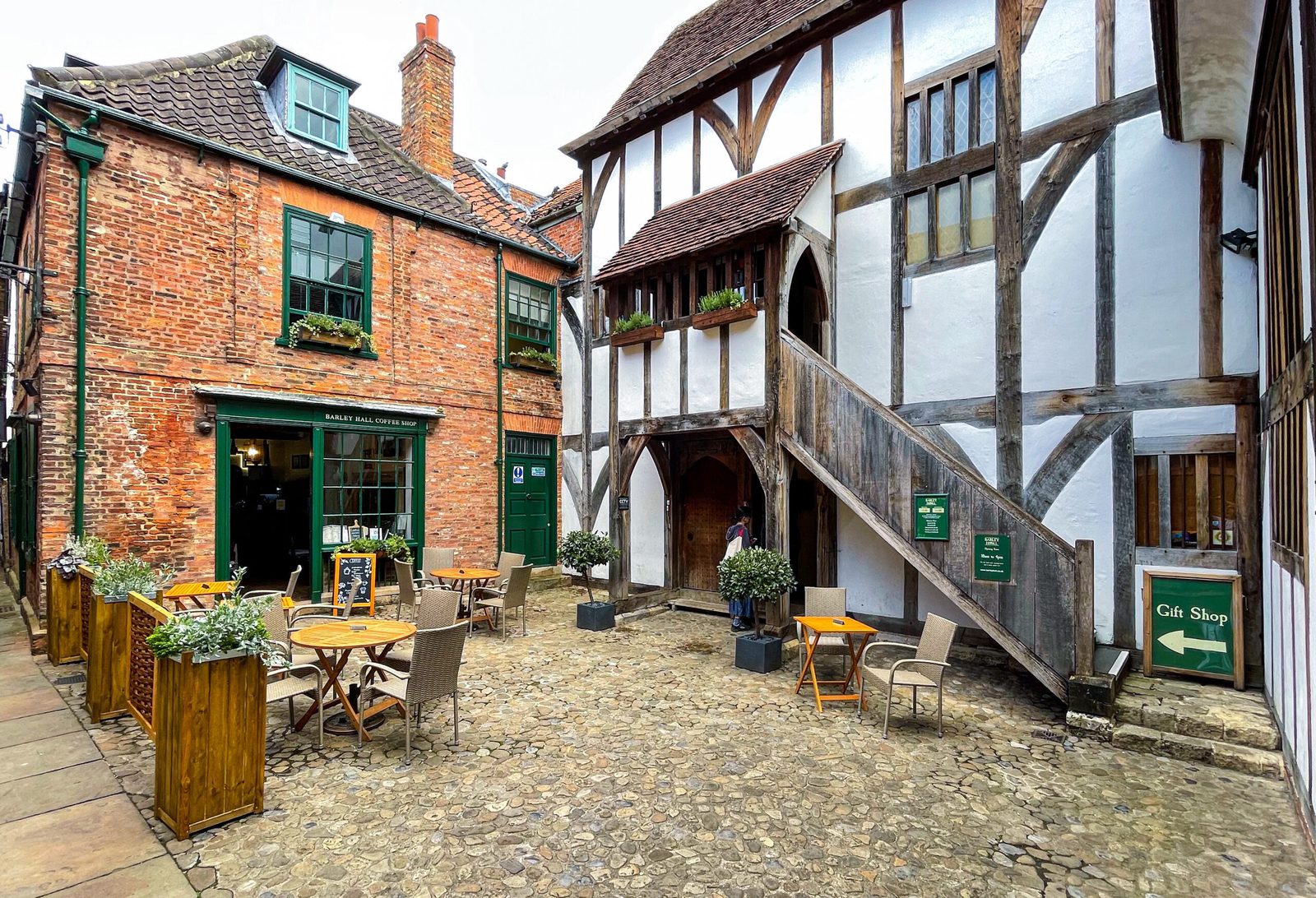
This is where the core rewards anyone willing to step off the main streets. Barley Hall (down Coffee Yard, a covered alley off Stonegate) is a medieval townhouse that had been all but lost until it was rediscovered in the 1980s and rebuilt; entry is around £6–£7. A JORVIK-run coffee shop has recently brought a café back to Coffee Yard, which makes it an easy pairing with a Stonegate wander. It's small, takes groups, and works best as a twenty-minute look rather than a half-day.
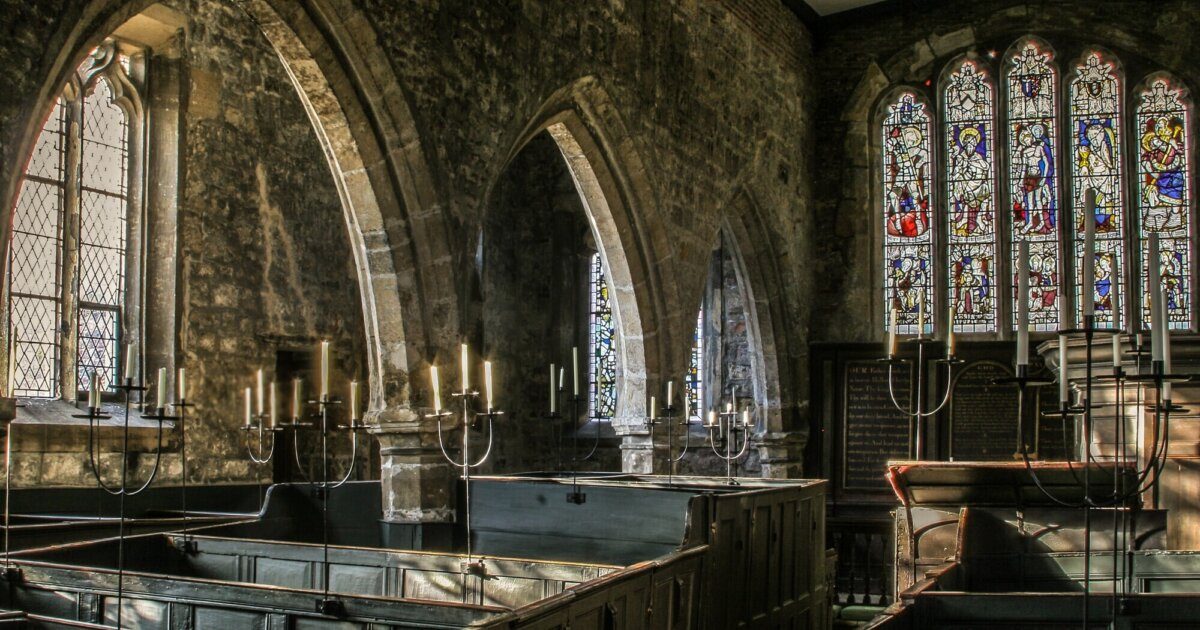
Holy Trinity Goodramgate (through a gateway off Goodramgate) is the quieter counterpoint: the only York church to keep its box pews, unlit and unheated, entered free (donations welcomed) from Wednesday to Sunday. The space is small and atmospheric, which means it suits couples and small groups far better than a coach party — and, genuinely, wrap up warm, because there is no heating.
Merchant Adventurers' Hall (off Fossgate) is one of the best-preserved medieval guildhalls anywhere, and at around £8 it's among the better-value interiors in the city. Group visits are welcomed and it's a regular tour and events venue, so a larger party is no trouble here. Ongoing 2026 works at No.36 Fossgate are set to reopen more of the medieval rooms, so it's worth checking what's accessible when you book.
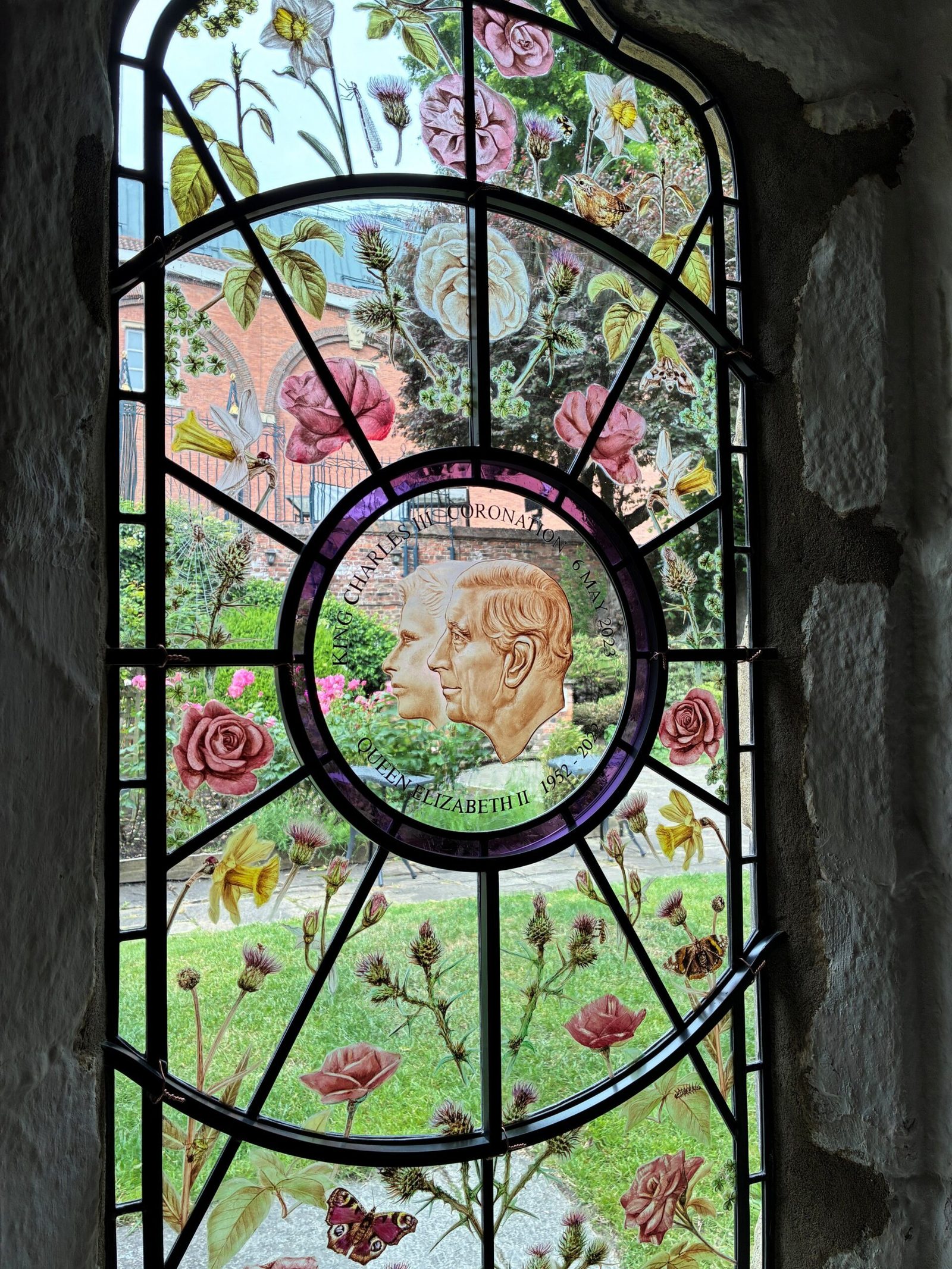
The castle and Viking end
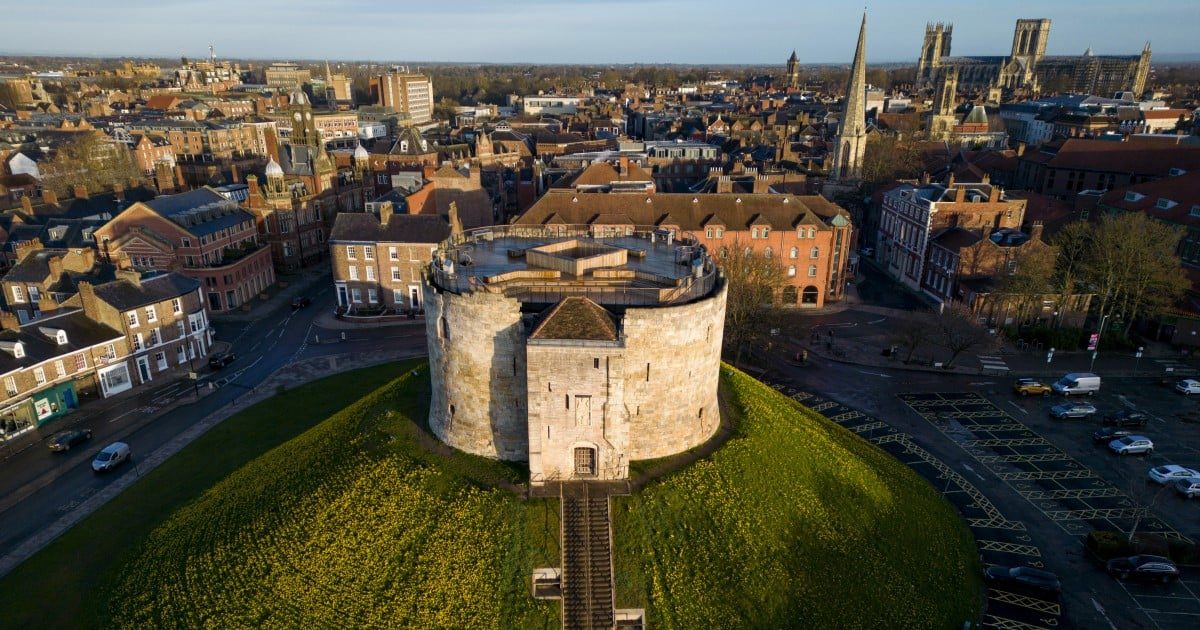
At the bottom of the core, Clifford's Tower (Tower Street, on its motte) is the last standing piece of York Castle. Adult entry is about £9, English Heritage members go free, and there's a 20% discount if you arrive by bus, train or bike — a rare reward for leaving the car behind. The recent roof-deck installation is the reason to go now rather than a decade ago: it turned a bare shell into a proper viewpoint over the city. Group and trade visits are booked through the English Heritage portal.
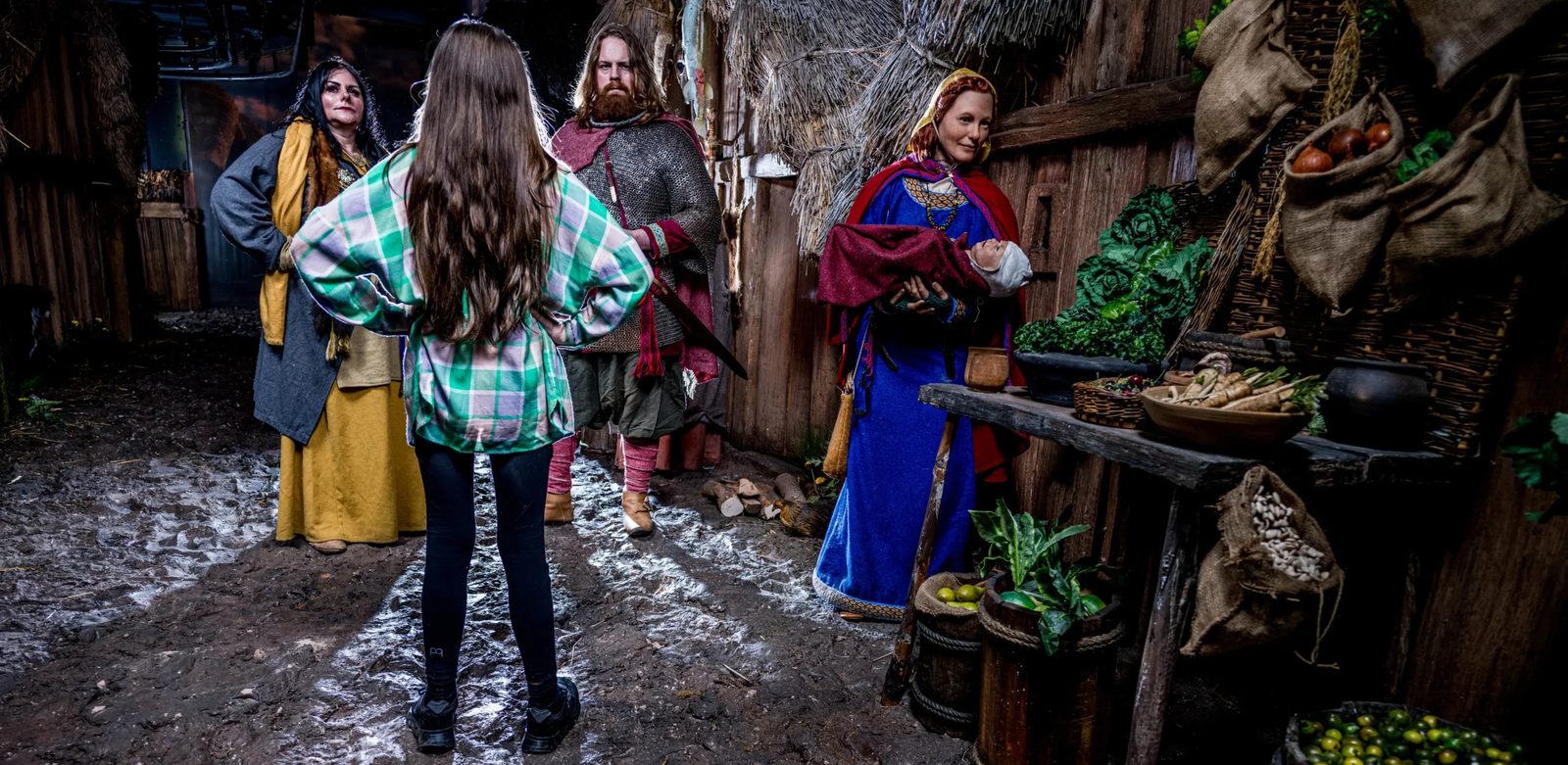
A short walk away, JORVIK Viking Centre (Coppergate) is built directly over the dig that rewrote what we know about Viking York. Tickets are £17.50 adult and £12 child for 2026, and pre-booked timed slots are essential — walk-up queues in season are long. It handles school and tour groups as routine, so it's a safe bet for a mixed-age party, and summer 2026 adds a 'Summer Voyage' trade-and-travel exhibition to the standard ride.
Back towards the Minster, the Yorkshire Museum & York Museum Gardens (Museum Street) are the core's green lung. The gardens — wrapped around the free St Mary's Abbey ruins and running down to the river — are open to all at no charge and make the best picnic ground inside the walls. The museum itself, covering Roman and Viking York, is ticketed and takes groups, but note it is closed 7–12 July 2026, so plan around that week if the collection is your reason for coming.
Where to eat and drink
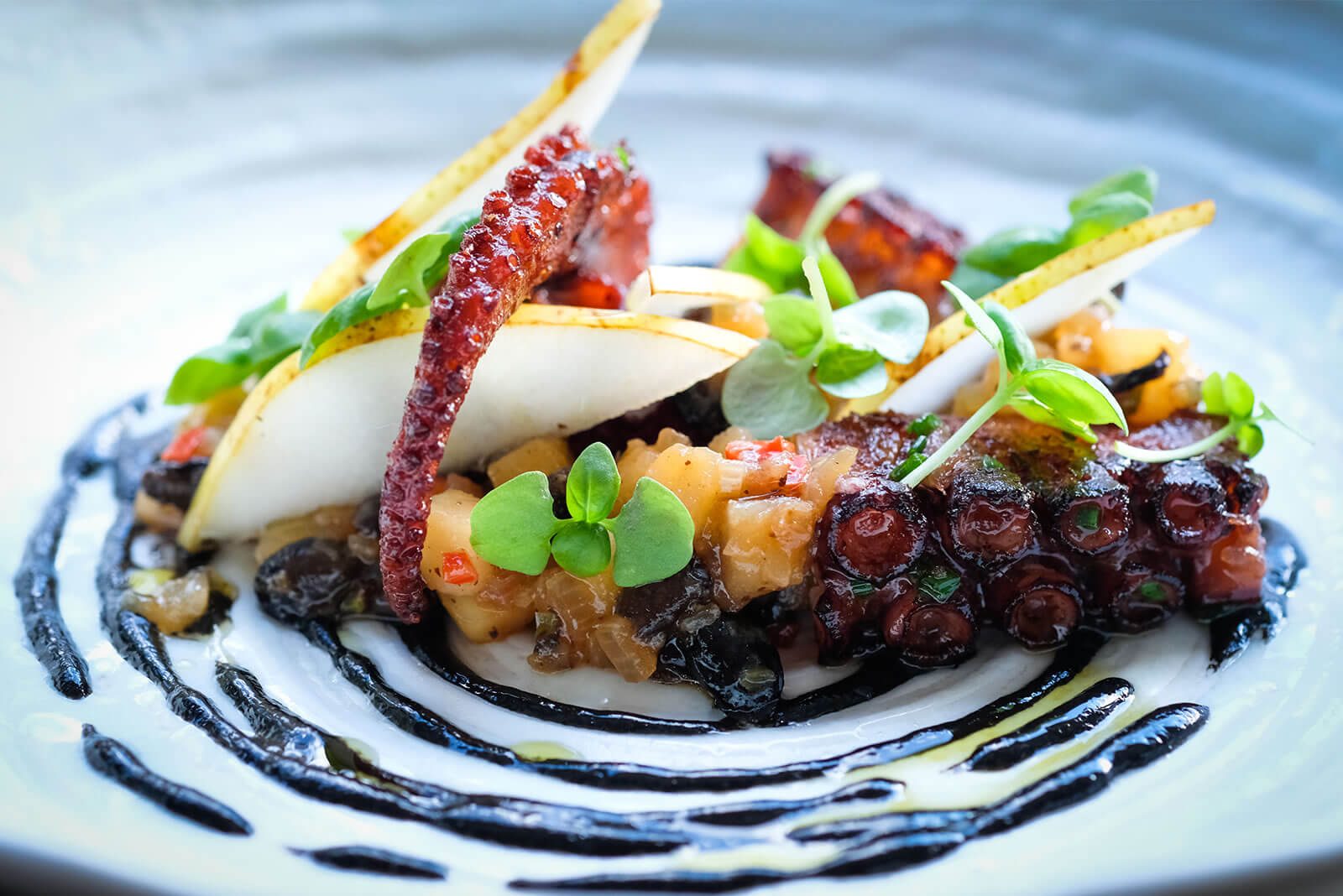
The core punches above its size for food, and the standout is Skosh (just inside the walls on Micklegate). Chef-owner Neil Bentinck's small-plates room is built for sharing and is at its best for couples and small groups; it's tiny and popular, so book well ahead — this is not a walk-in. Reckon on £££, and go hungry: the format works when you order widely.
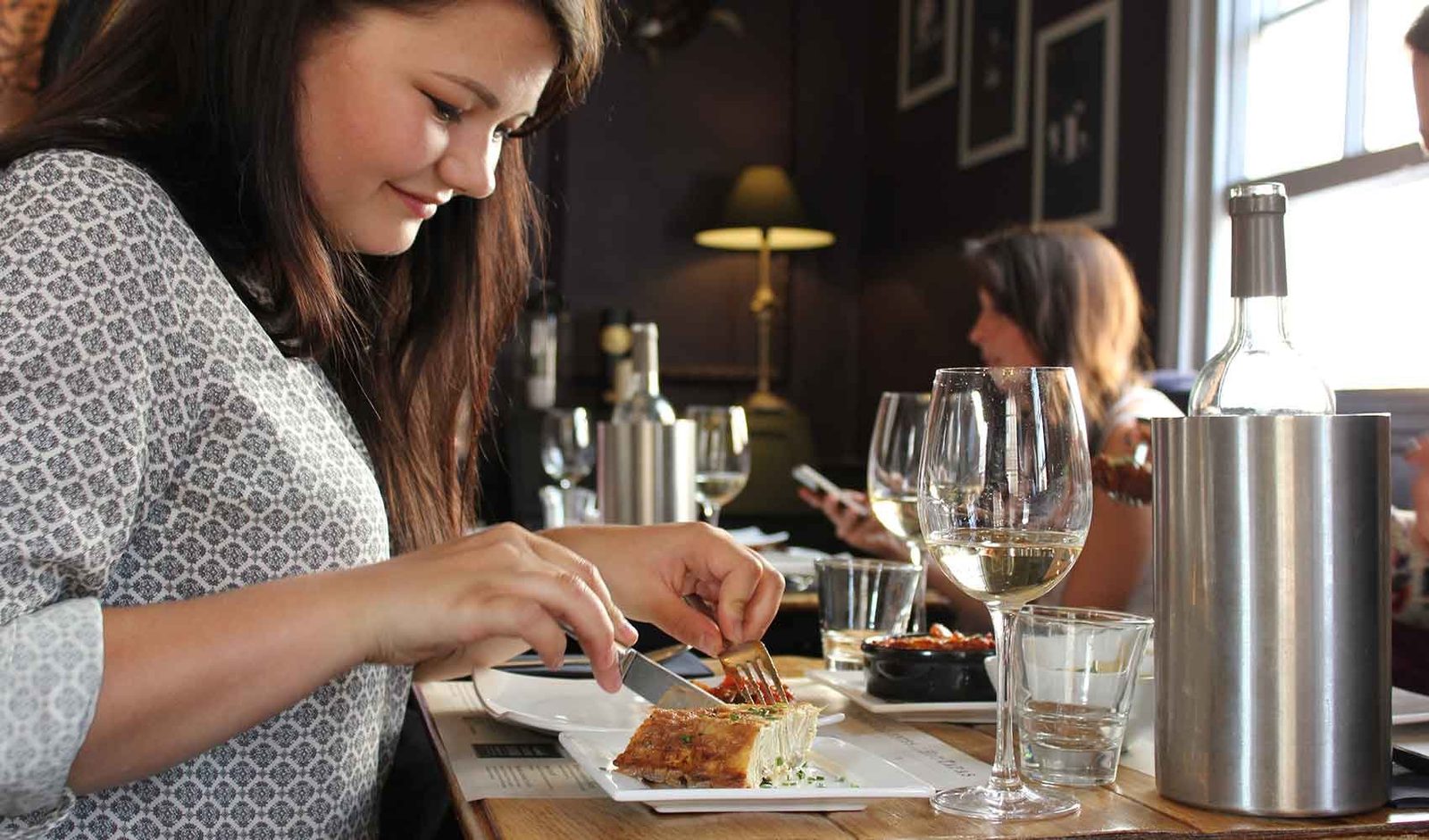
For something more relaxed, Ambiente Tapas Goodramgate (Goodramgate) does genuinely Spanish tapas and sherry in an intimate central room. It suits couples and small groups; if there are more than a handful of you, the staff will — sensibly — steer you to the livelier, larger Fossgate sibling rather than crowd this site. Around ££ either way.
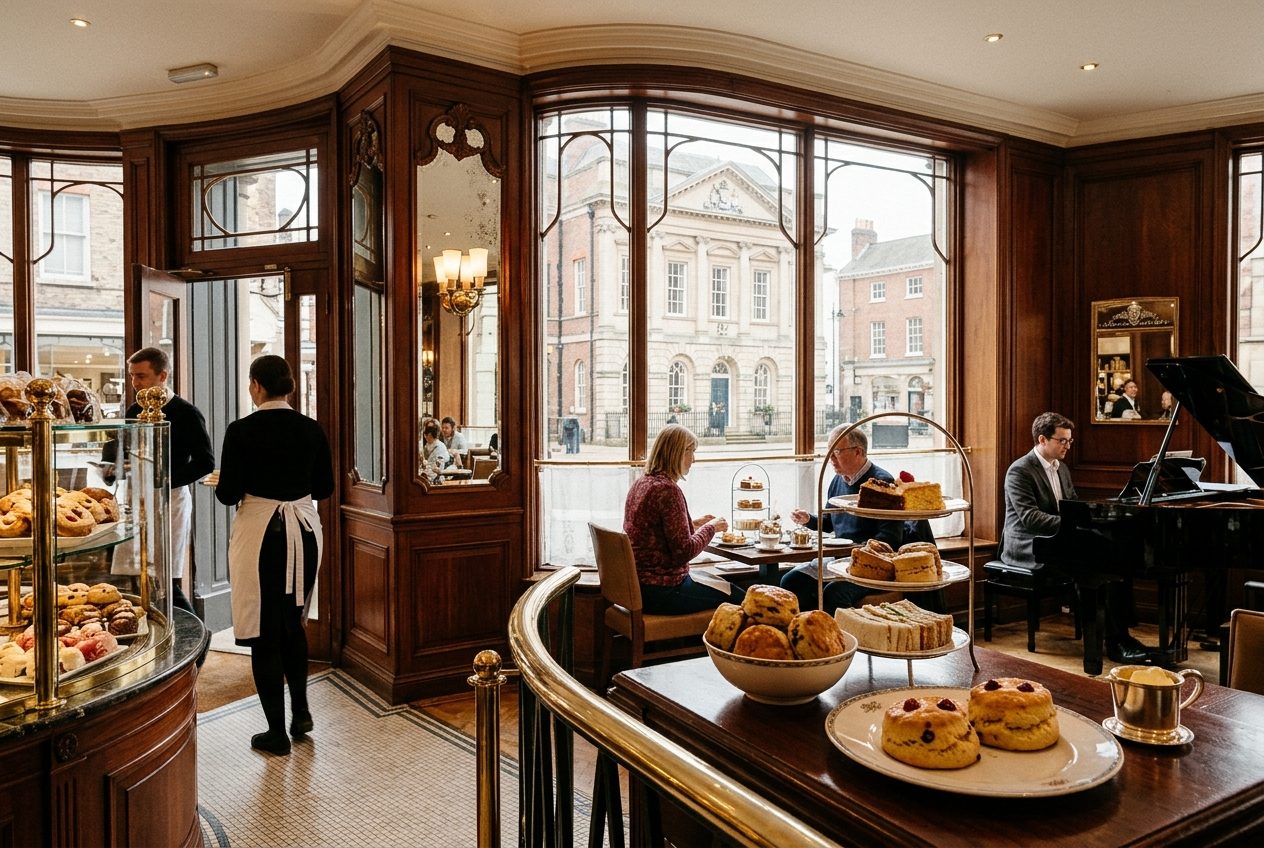
And then there is Bettys Café Tea Rooms (St Helen's Square), a Yorkshire institution since 1919 and the unofficial soundtrack of the quarter. The main café takes no bookings, so the pavement queue is part of the ritual; if you'd rather not stand, the upstairs Belmont Room is bookable for afternoon tea and for groups. Prices run ££–£££, with afternoon tea firmly at treat level. It's worth being honest that the queue can be long at midday — come at opening or mid-afternoon, or book the Belmont Room and skip it.
Staying in the core
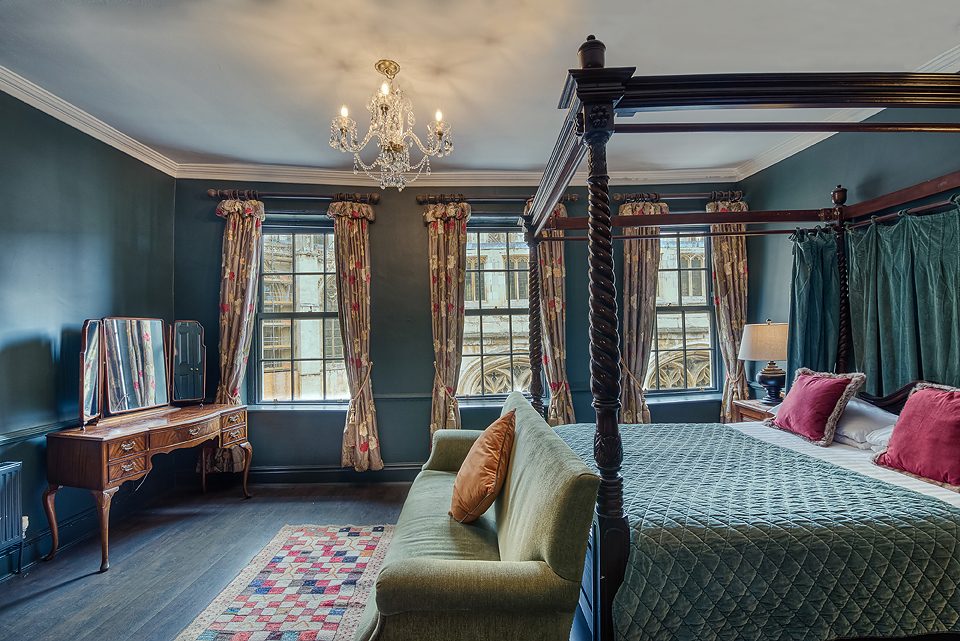
Most visitors base themselves just outside the walls and walk in, which works well given the size of the quarter. If you'd rather sleep in the middle of it, Guy Fawkes Inn (Petergate, beside the Minster) is a gas-lit inn on the alleged birthplace of Guy Fawkes, combining a pub, a restaurant and 4-star rooms — fourteen new bedrooms have been added, and it's a Visit York 2026 Pub of the Year finalist. It handles both groups and overnight stays, so a party can eat and stay under one roof. For the wider spread of options across the city, compare rates on the York hotel search before you commit — booking a few streets out is often better value than a room on the cobbles.
Practicalities
Getting there and around. York railway station sits just outside the walls on the west side; the whole Historic Core is a ten-to-fifteen-minute walk from the platforms, and once inside you won't need transport at all. Drive only if you must — park at a Park & Ride on the ring road and bus in, which also earns you the 20% arrival discount at Clifford's Tower.
Timing. The single most useful habit is going early. The Shambles, the Ghost Merchants and Bettys are all calmest before nine; the Minster is tightest on Sunday afternoons. Book the Minster, JORVIK and Skosh in advance; the Walls, the Shambles, Holy Trinity and the Museum Gardens need no plan at all.
Cash and cards. Cards are accepted everywhere listed here, but carry a little cash for church donation boxes and the smaller shops.
Budget. A frugal day inside the walls costs almost nothing — the Walls, the Shambles, the Museum Gardens and Holy Trinity are all free. Add the Minster (£13–£28, valid a year), Clifford's Tower (~£9) and JORVIK (£17.50) and you're at a full day of headline sights for well under £60 a head, before you eat. Save the treat-price rooms at Bettys and the tasting run at Skosh for the evening, when the day-trippers have gone and the core is quietly yours again.
Gallery
The Historic Core in pictures
The Historic Core — your questions
What are the best times to visit the Shambles and the Minster to avoid crowds?
Walk the Shambles before 9am or after 6pm to have the cobbles to yourself. Book York Minster ahead, and note that visitor hours shrink to the early afternoon on Sundays around services.
Do I need to book York Minster and JORVIK Viking Centre in advance?
Yes for both. The Minster ticket (£13–£28) is valid a full calendar year and groups book via the website portal. JORVIK requires pre-booked timed slots as walk-up queues are long in season.
Which places in the Historic Core suit couples versus larger groups?
Skosh, Ambiente Goodramgate and Holy Trinity suit couples and small groups; big parties are better at Ye Olde Starre Inne, Merchant Adventurers' Hall or Ambiente's larger Fossgate branch.
How much does a day in York's Historic Core cost?
The Walls, Shambles, Museum Gardens and Holy Trinity are free. Add the Minster, Clifford's Tower (~£9) and JORVIK (£17.50) for a full day of headline sights under £60 a head before meals.
Can I avoid the queue at Bettys and the York Ghost Merchants?
At Bettys, book the upstairs Belmont Room instead of queueing for the main café. For ghosts, try the sister York Ghost Dispensary in St Anthony's Garden, which has shorter waits than the Shambles shop.